
Ancient Crete was home to Europe’s first advanced civilization, the Minoans, from 2700 to 1420 BC. The Minoans built large palace-like city-states all over the island and established a strong naval empire in the Mediterranean. Today, Crete is the largest and most populous of all the Greek islands. The mountainous island is home to beautiful beaches, breathtaking gorges, and many famous spots in Greek mythology.
Most visitors to Crete will stay in one of their two port cities: Heraklion or Chania. Many cruise ships stop at either or both ports while sailing through the Mediterranean and both ports have daily ferries to other islands such as Santorini and Mykonos as well as back to Athens. For our trip to Crete, we opted to stay in Heraklion, due to its proximity to the ferry port and the ease of it being a good starting point for the activities we had planned for the island.
Day 1: Explore Heraklion
Most visitors will reach Crete by way of ferry or airplane to Heraklion, the capital city and also the largest city on the island. Spend your first day exploring the city, which we absolutely loved. Since locals actually live in the city, we found that it was much cheaper than Athens or Paros. In addition, it just felt great to spend time in a vibrant city filled with locals.
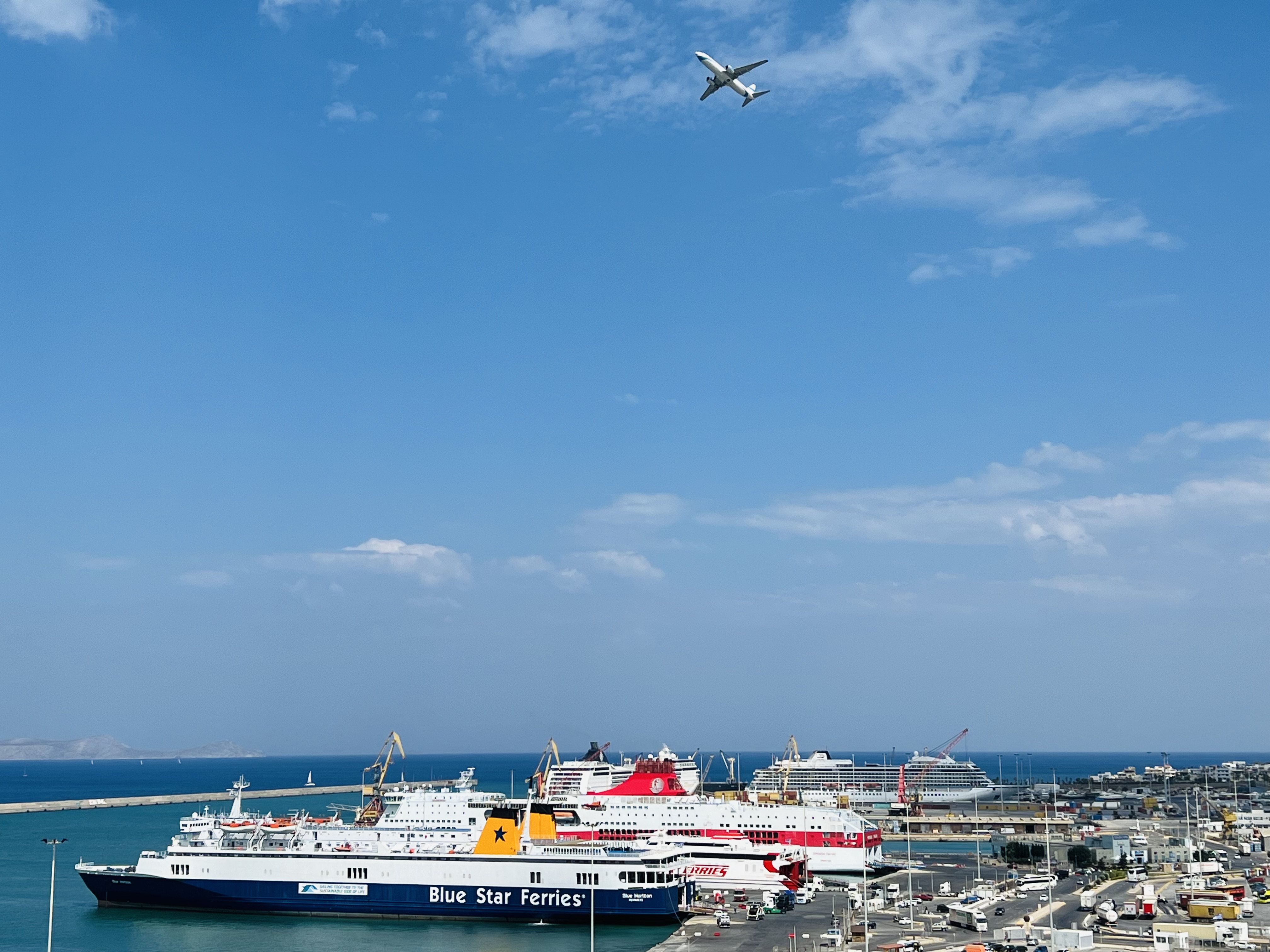
The Heraklion Old Venetian Port is located in the heart of the city and it is one of the most popular tourist attractions in the city. The Venetians built the port in the 14th century, where it served as the main harbor for centuries.
Heraklion’s Central Market is a great place to take in the bustle and noise of the city. The shops are frequented by locals, but also a great place for tourists to take home some souvenirs of the island – from packaged dried herbs to hand-milled olive oil soaps.
Day 2: Spend some time with the Minoans
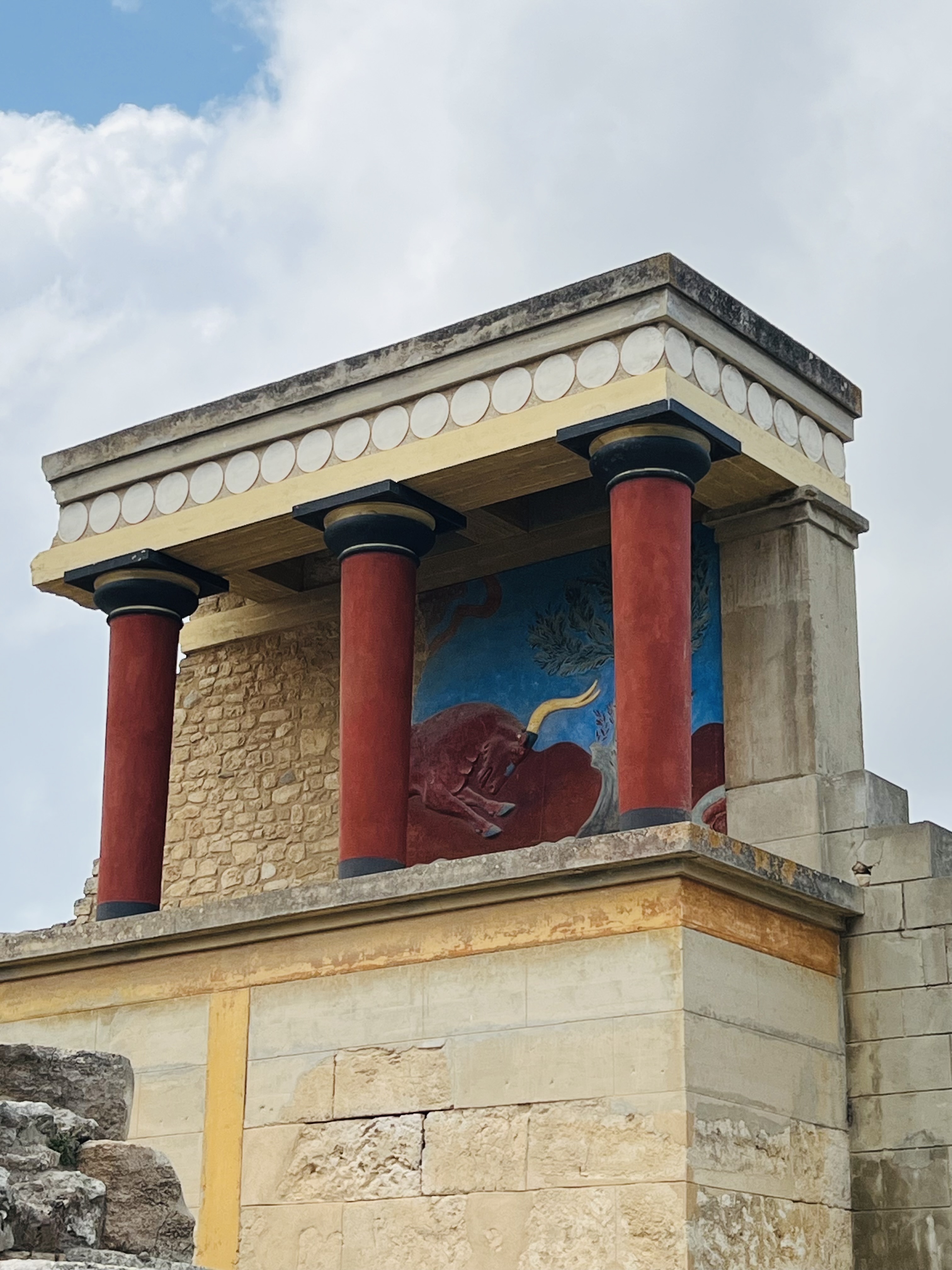
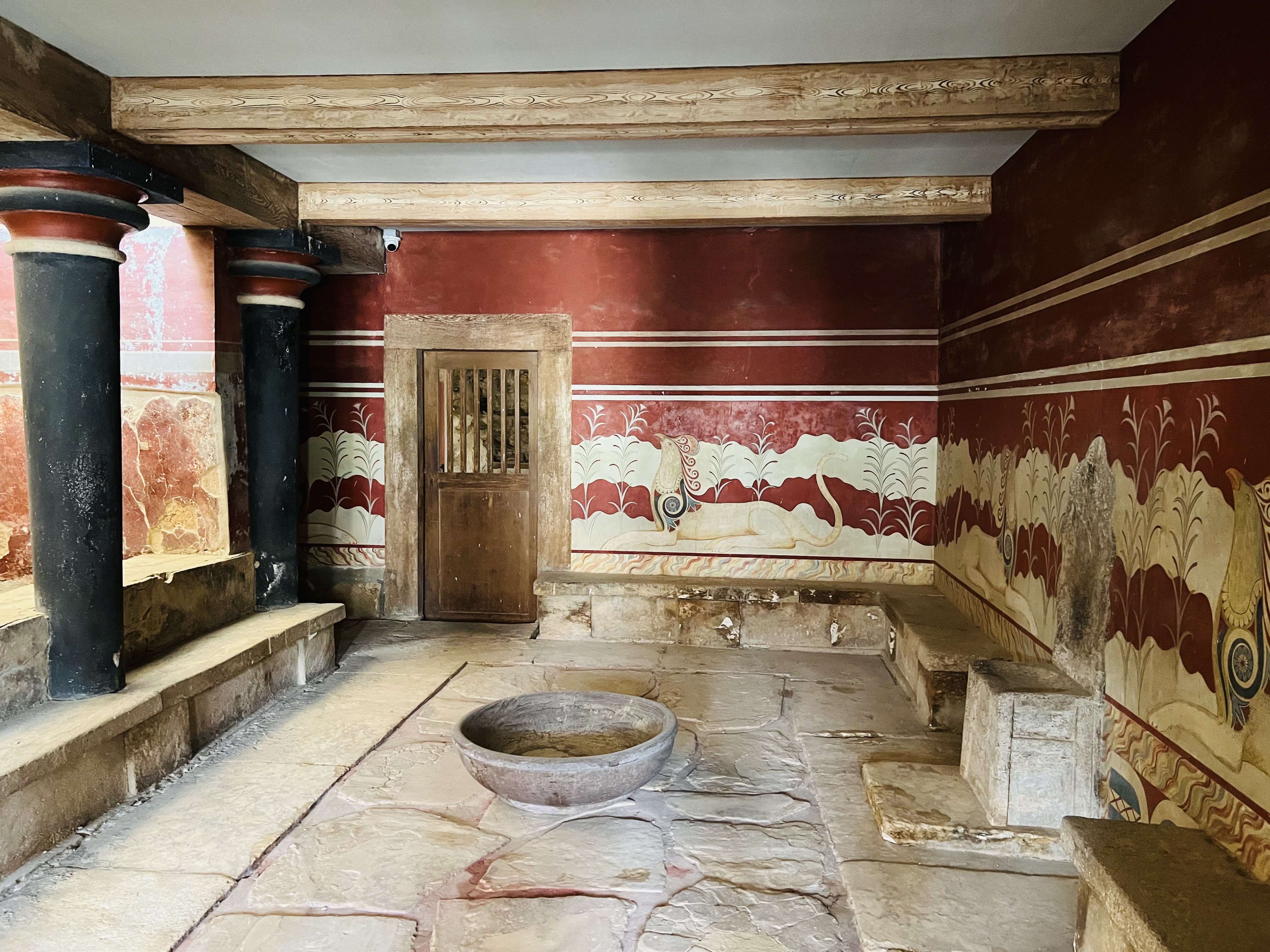
Start your 2nd day with a history lesson at Knossos Palace. Located on the outskirts of Heraklion, Knossos was home to the Minoan civilization. At the center of Knossos is the Palace of Minos, or Knossos Palace. It is believed that the Palace was destroyed by a volcanic eruption in 1450 BC. But the ruins of Knossos Palace are incredibly well-preserved, and offer a glimpse into the lives of the Minoans. The Palace is also considered to be a magical place – it was here that King Minos kept the legendary Minotaur in a labyrinth.

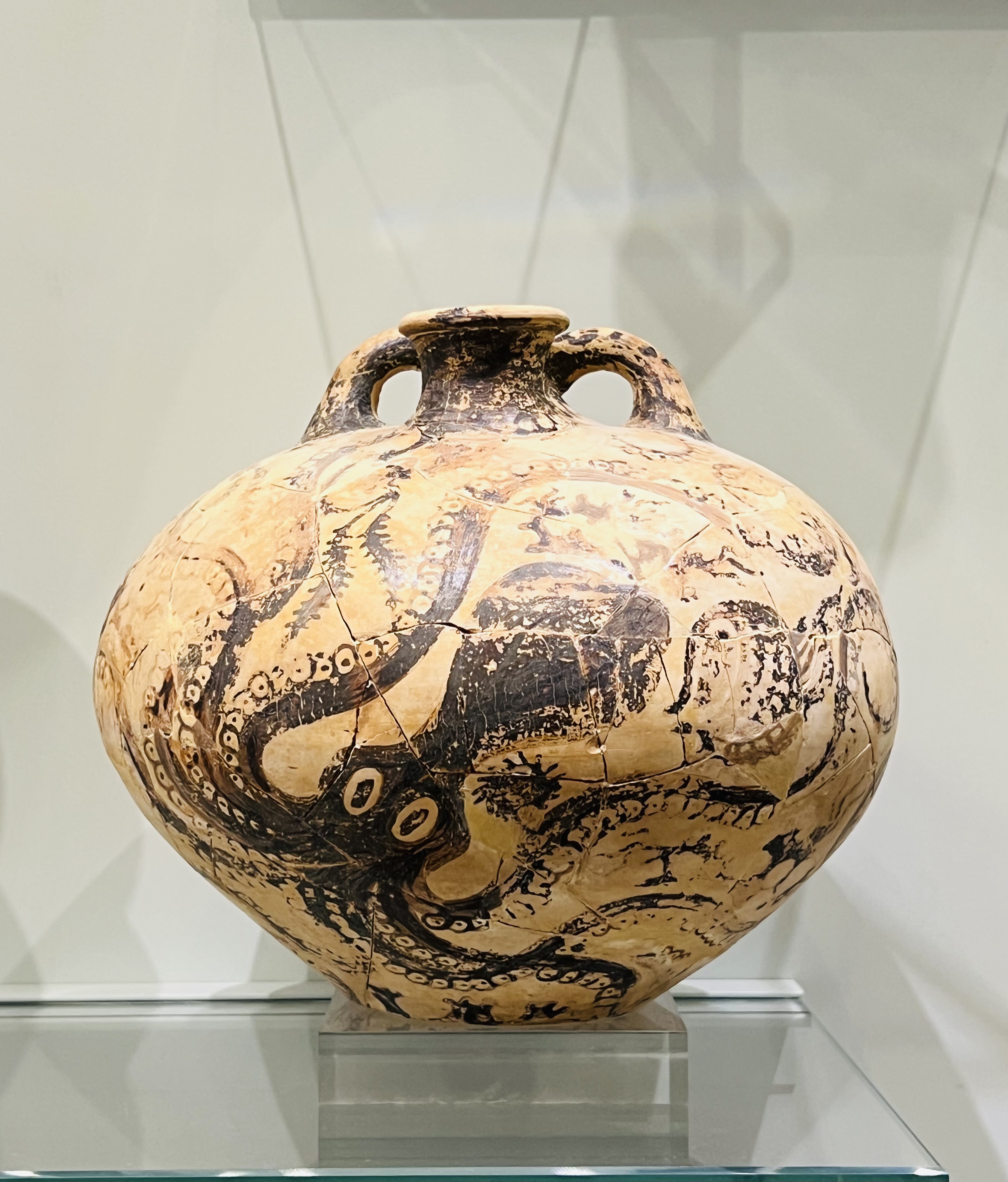
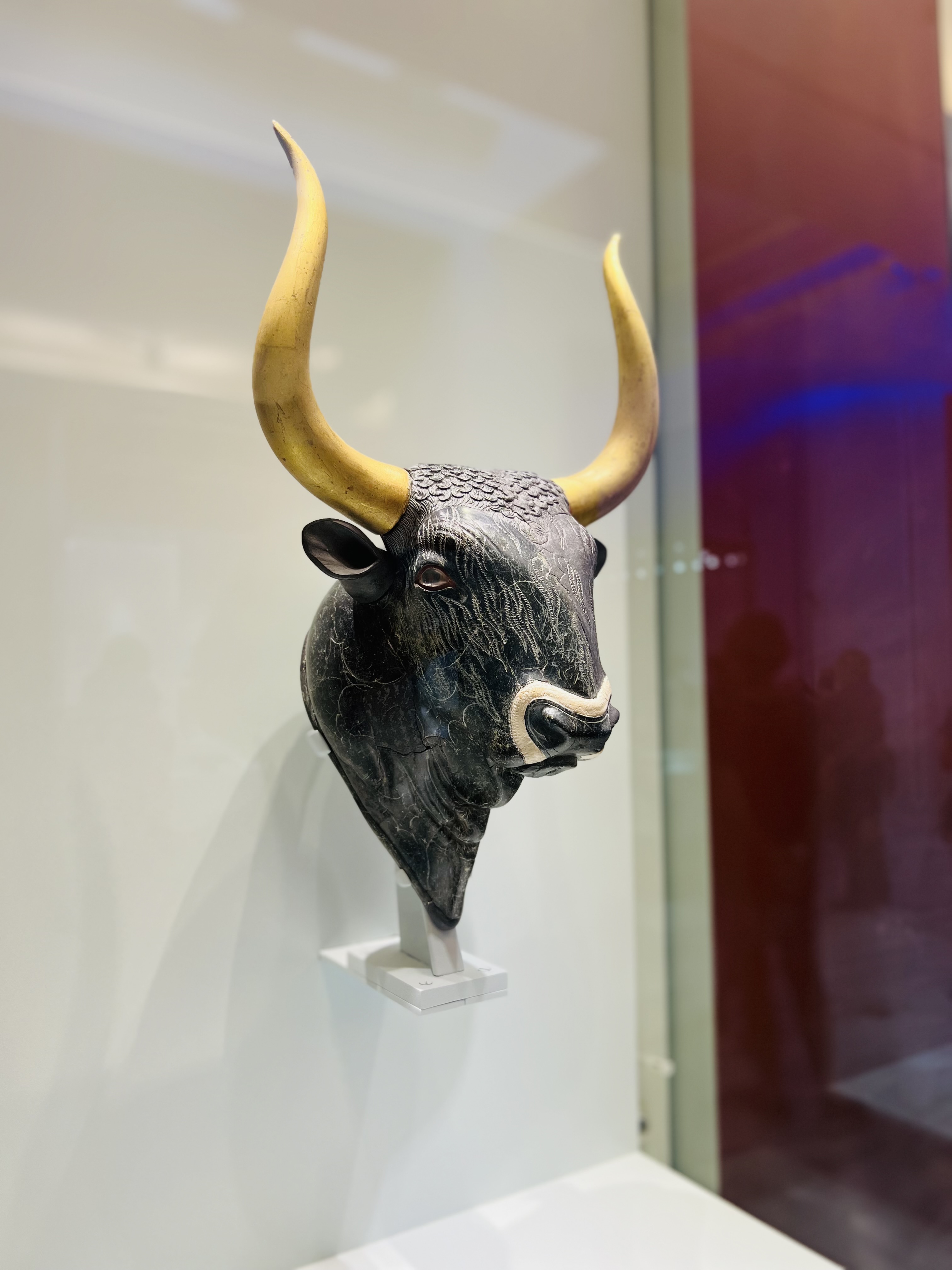
After visiting the Palace, head over to the Heraklion Archaeological Museum, located in the city center. The Heraklion Archaeological Museum is considered one of the greatest museums throughout the Greek islands. It is the best in the world for Minoan art, home to the most complete collection of artifacts of the Minoan civilization.
Day 3: Explore the Plateaus of Crete
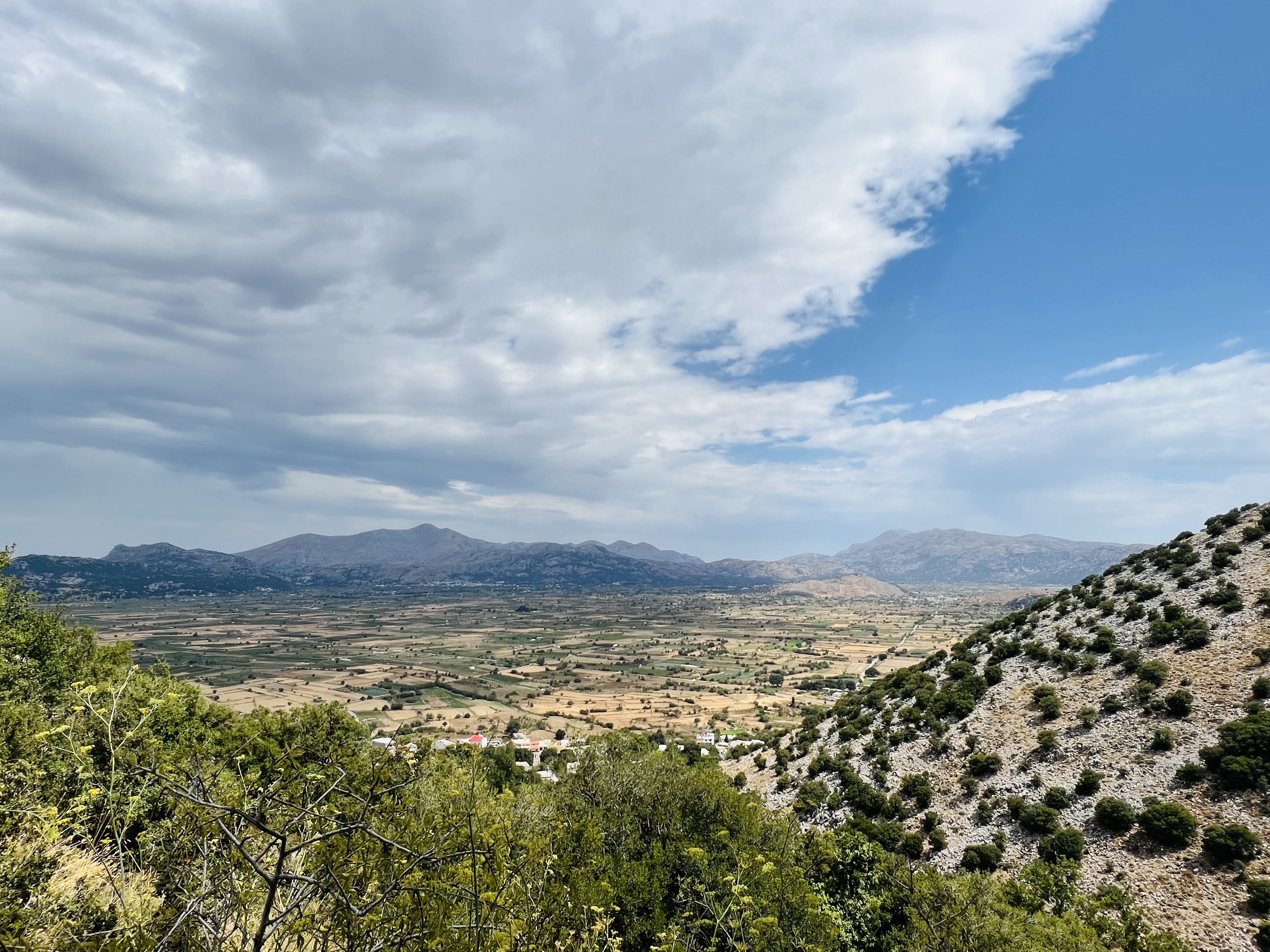
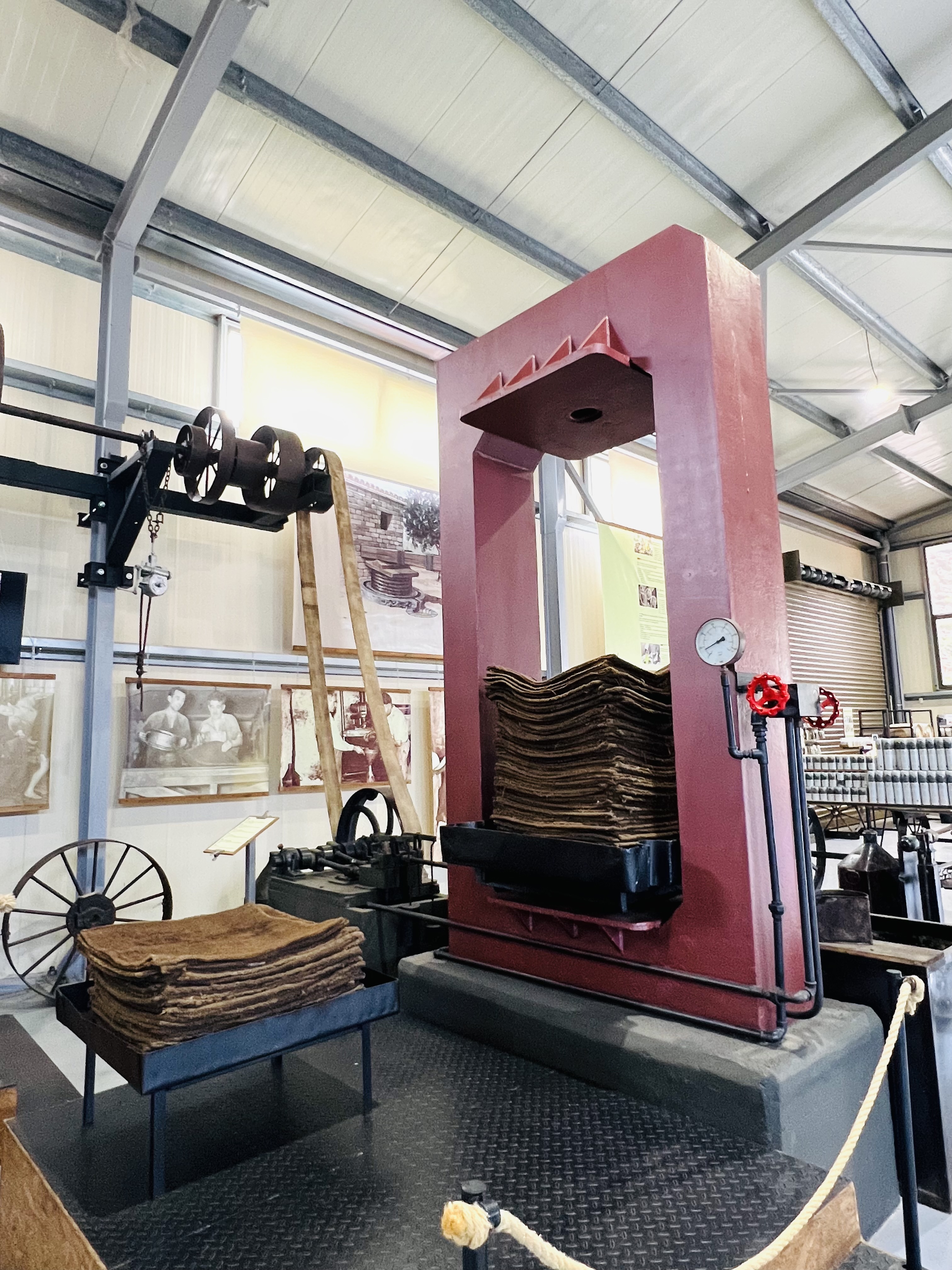
On your 3rd day, get out of the city. We did a guided tour, the Zeus Cave Tour with Explore Real Crete. The tour starts off with an olive oil factory tour Omalia Olive Press, a 4th generation business that was established in 1925. You can see manual production machines as well as the currently modern technology that is used. You can learn about the entire process of making extra virgin olive oil and there is also a small tasting after the tour. The factory is an active-producing olive oil press and if you come in the late fall, early winter months, you can actually see all the machinery in work.
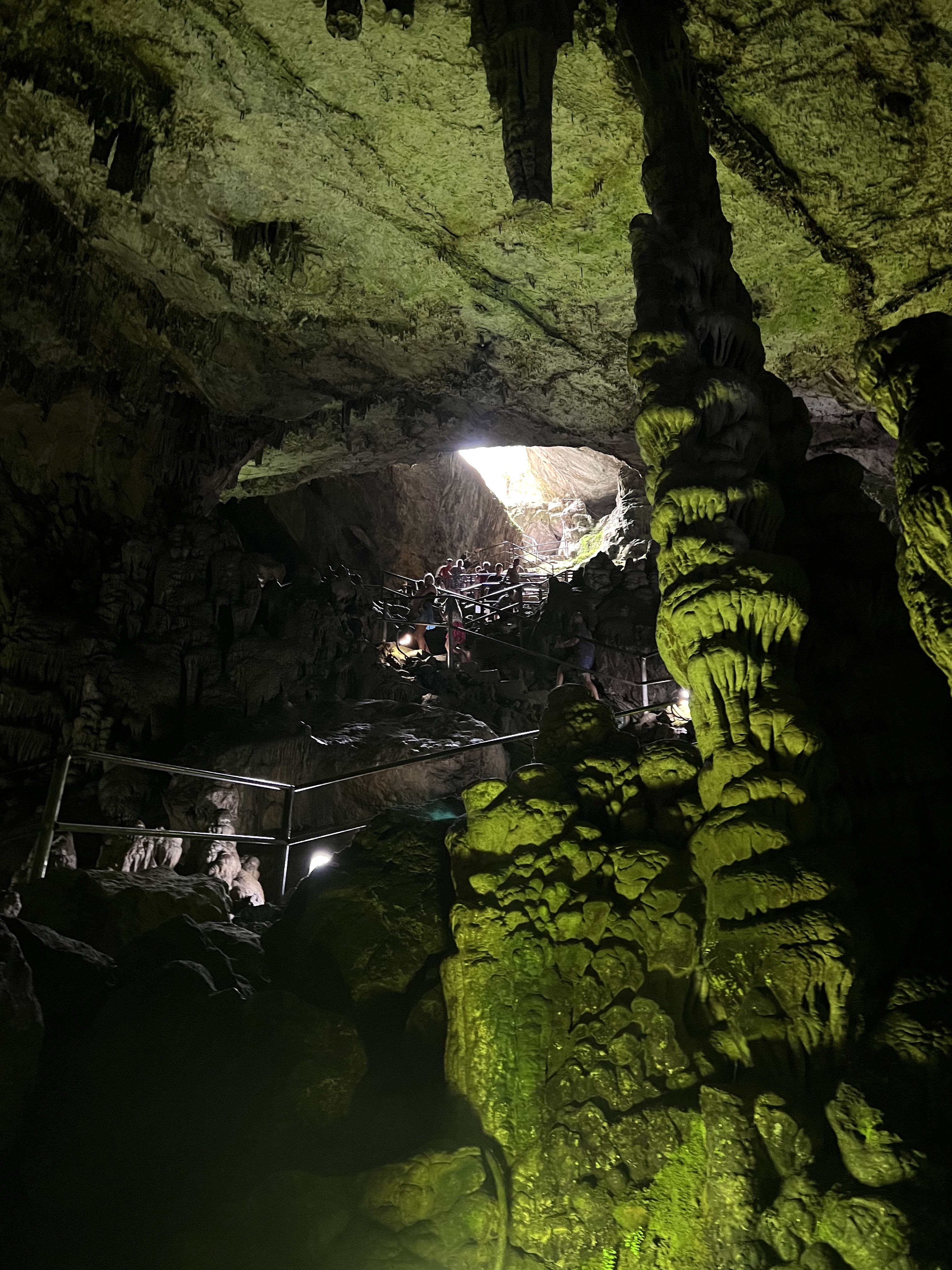
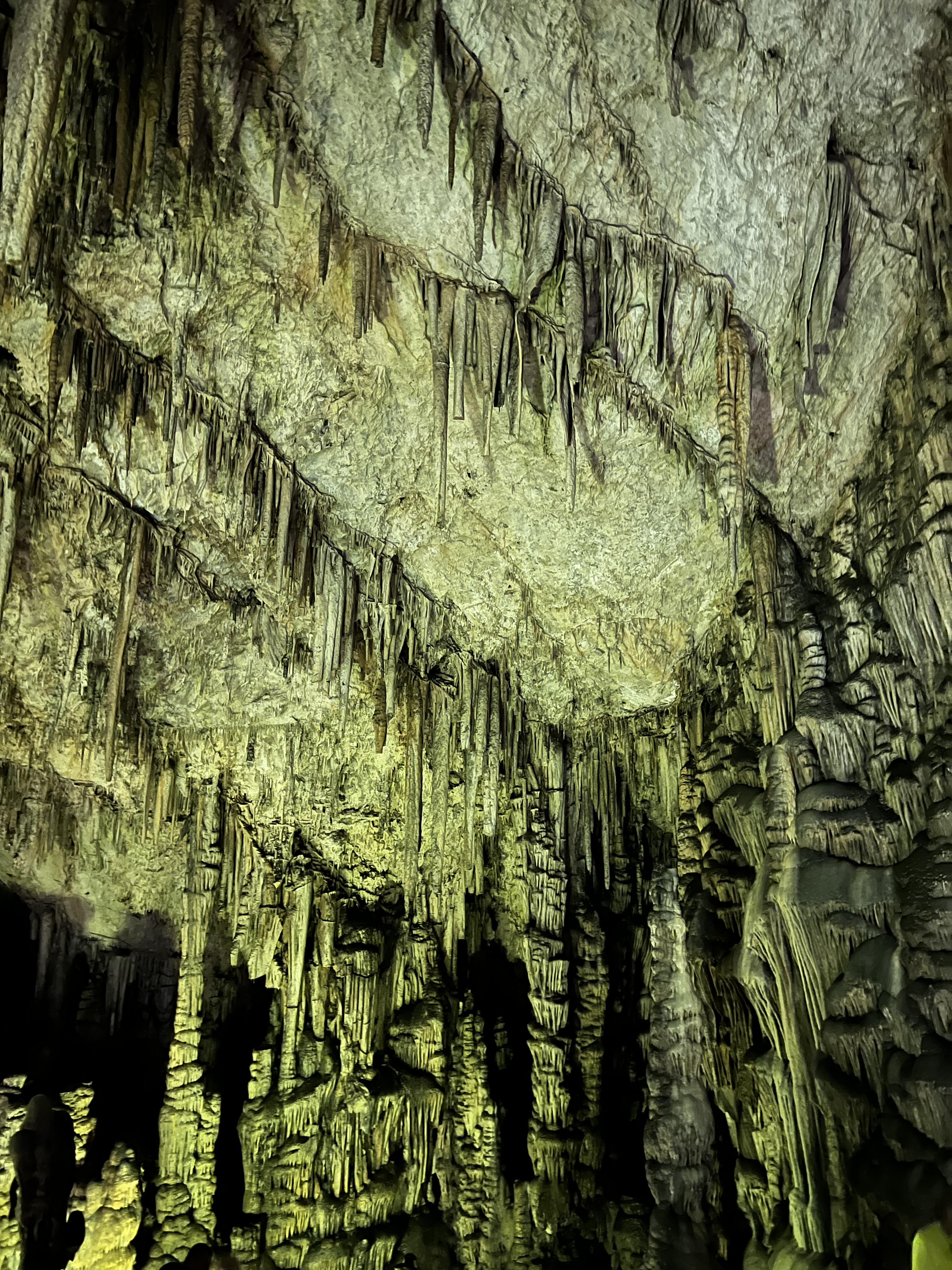
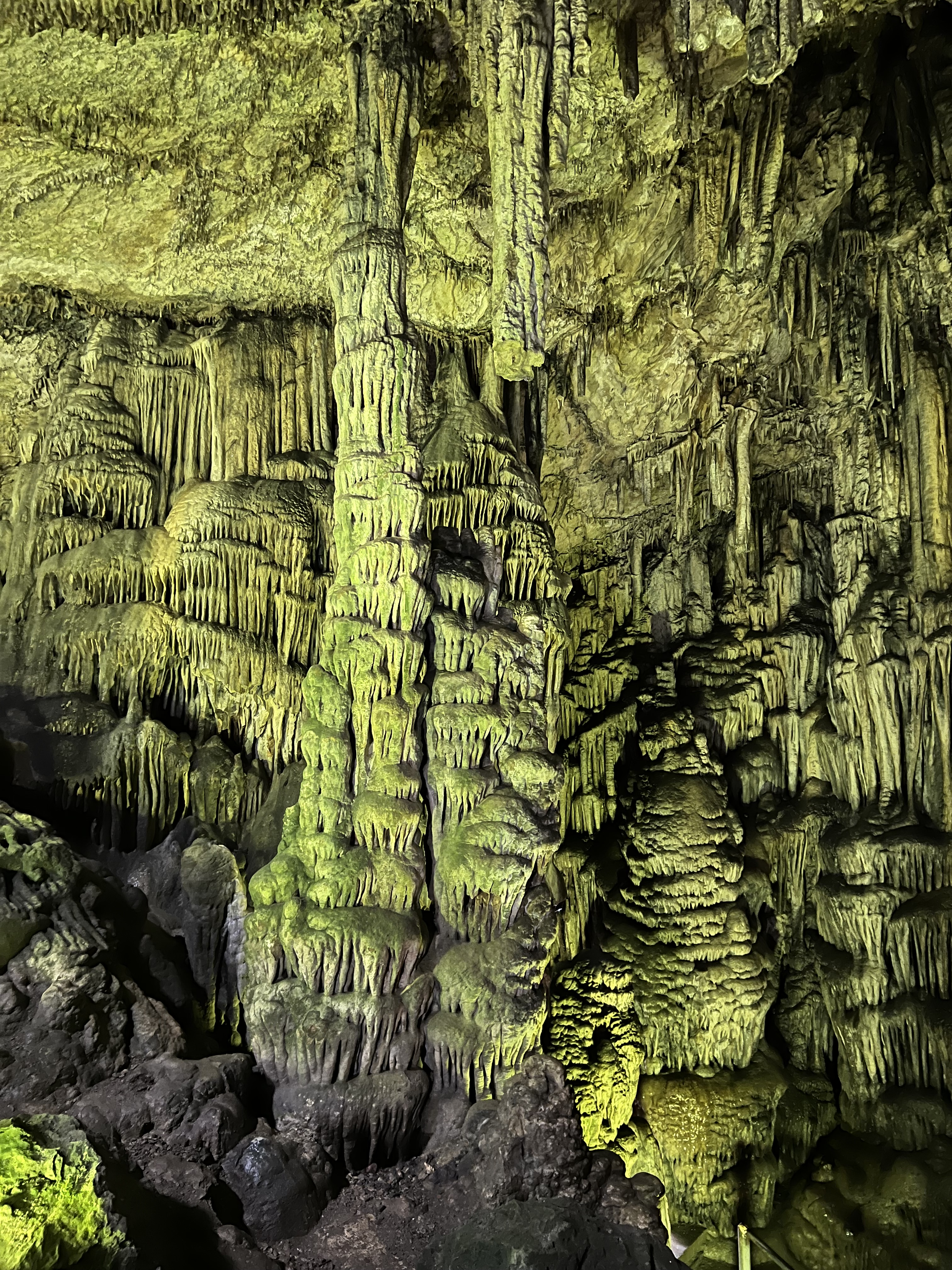
The highlight of the tour was Zeus Cave, where Zeus, the king of all the Greek gods was born. It costs 6 EUR per person to enter the cave and you can pay 10 EUR for a donkey to take you up the top. Otherwise it’s a 15-20 minute steep uphill walk to the top of the cave. The walk up is mostly paved, except for the last 2-3 minutes, where it’s mostly rocky. You then climb about 100 steps down to the cave with the most amazing stalagmites and stalactites.
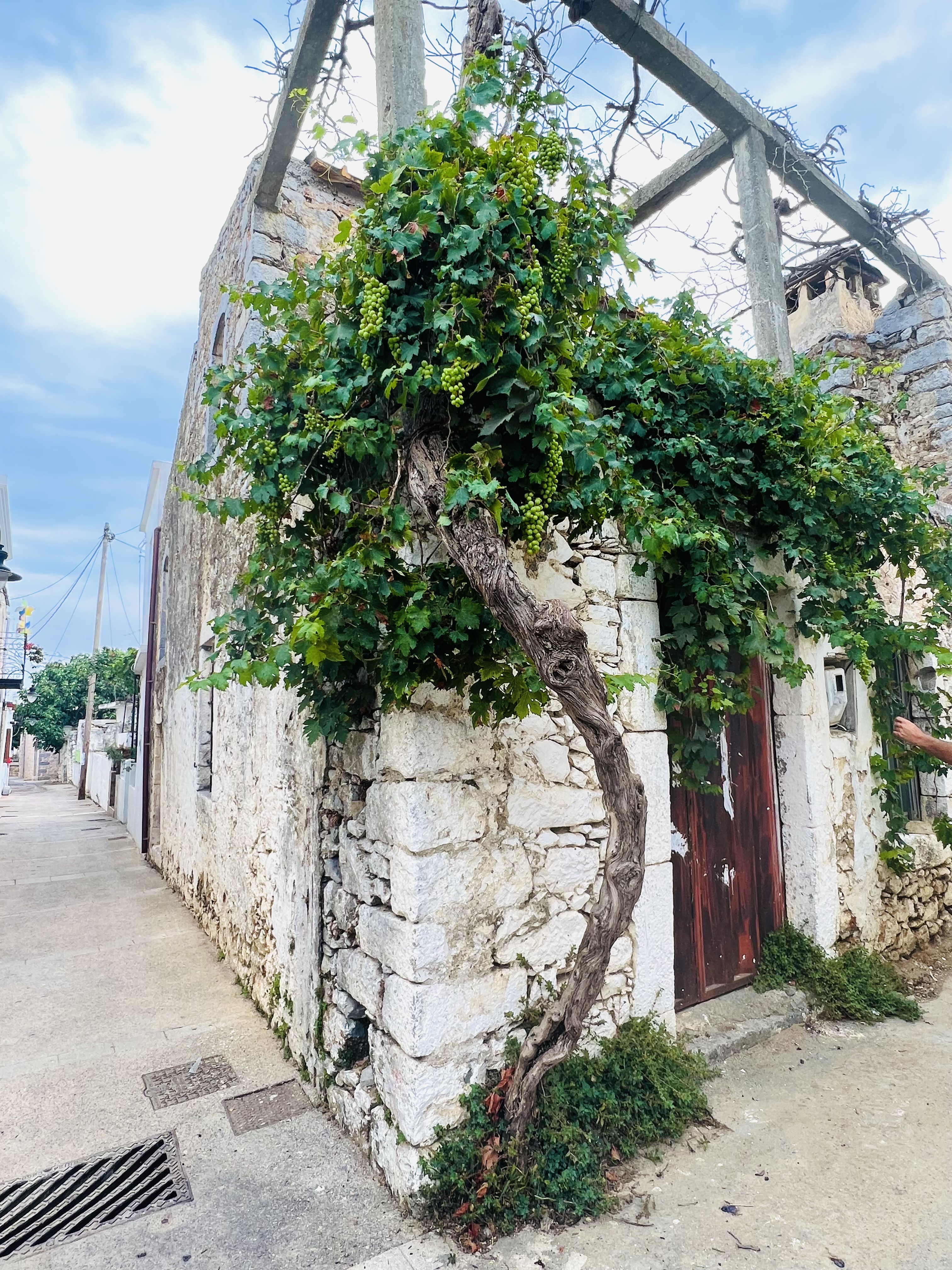
The tour also stopped in several smaller villages, where our guide told us about the dying villages all over Greece. A lot of the younger generations have moved out of the villages in favor of the bigger cities or seaside towns. A lot of the houses sit abandoned, and those that remain are the older generations who do not want to leave. You can see a lot of locally grown gardens in these towns – winding grape vines, lemon trees, pomegranate trees, and a variety of herbs.
 cookiesandnoodles