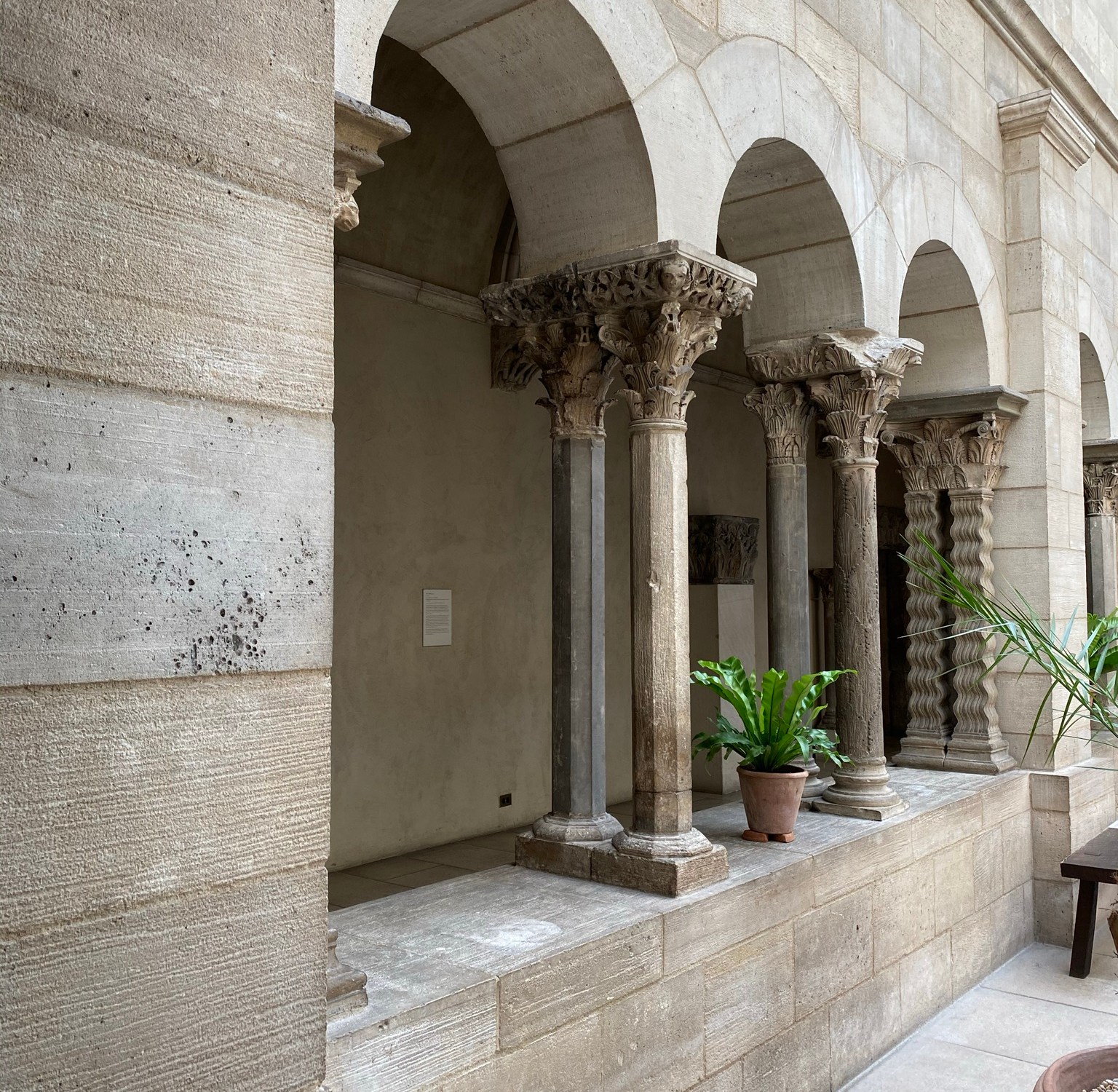
As a Native New Yorker, I always recommend a visit to the Metropolitan Museum of Art. It’s one of my favorite art museums and truly a must-visit when you’re in NYC. What most people ignore, however, is that your admission ticket to the Met Museum also includes admission to the Met Cloisters.

The Cloisters, also known as the Met Cloisters, is a museum in Fort Tryon Park in Washington Heights. The Cloisters contains a large collection of medieval artworks shown in the architectural settings of French monasteries and abbeys. The way that the Cloisters are designed and laid out are meant to give visitors a feel of what medieval European monastery life would’ve felt like. It holds roughly around 5,000 works of art and architecture, all European and mostly dating from the Byzantine to the early Renaissance periods.
In addition to the artwork inside the buildings, there are four main cloisters.
The Cuxa cloisters are the museum’s centerpiece. They are originally from the Benedictine Abbey of Sant Miquel de Cuixà on Mount Canigou, in the northeast French Pyrenees.
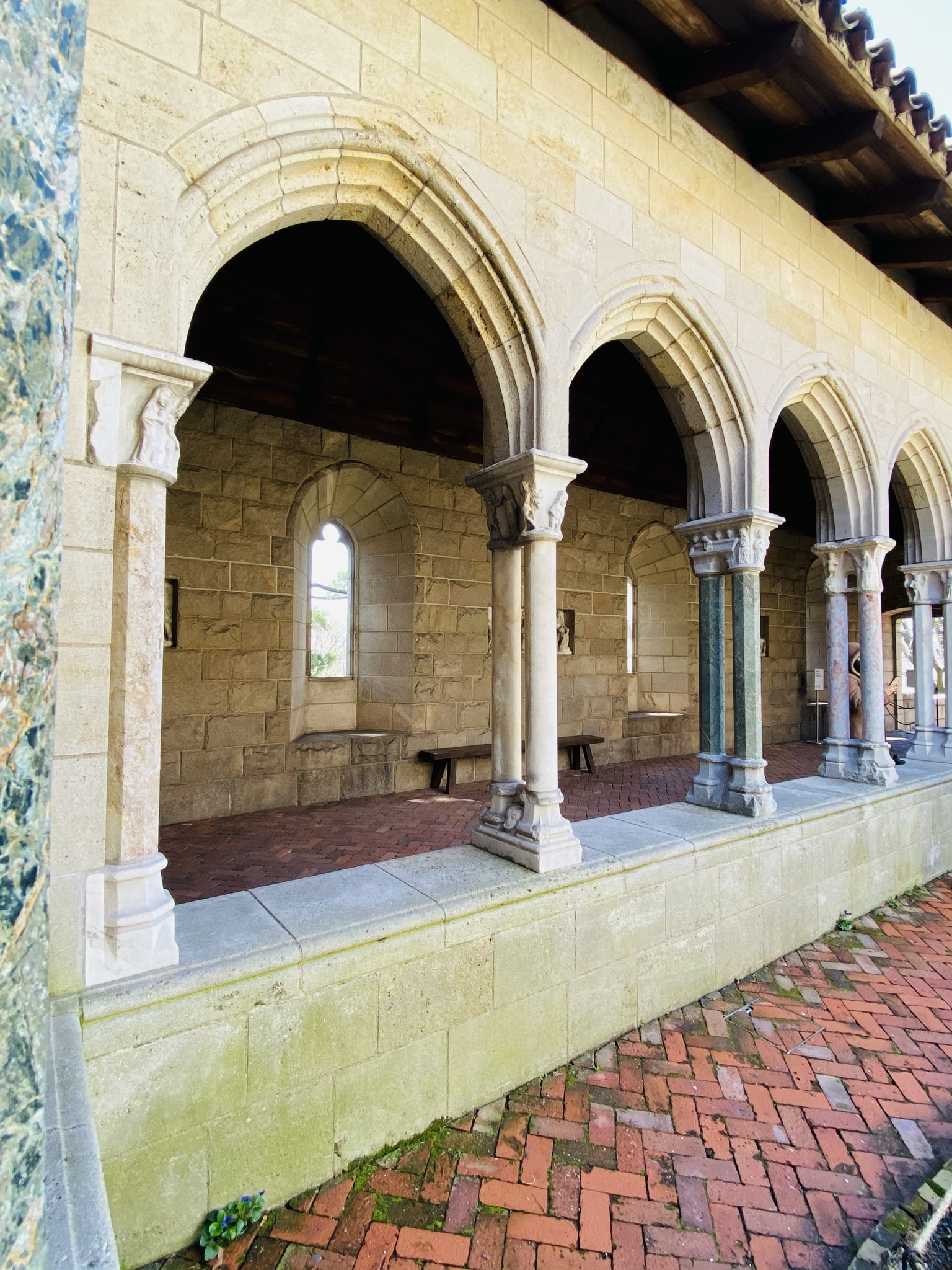
The Bonnefont cloisters were built from pieces from several French monasteries. Most of the pieces date from the 12th-century Cistercian Abbaye de Bonnefont at Bonnefont-en-Comminges, southwest of Toulouse.
The Saint-Guilhem cloisters were taken from the site of the Benedictine monastery of Saint-Guilhem-le-Désert, and date from 804 AD to the 1660s.
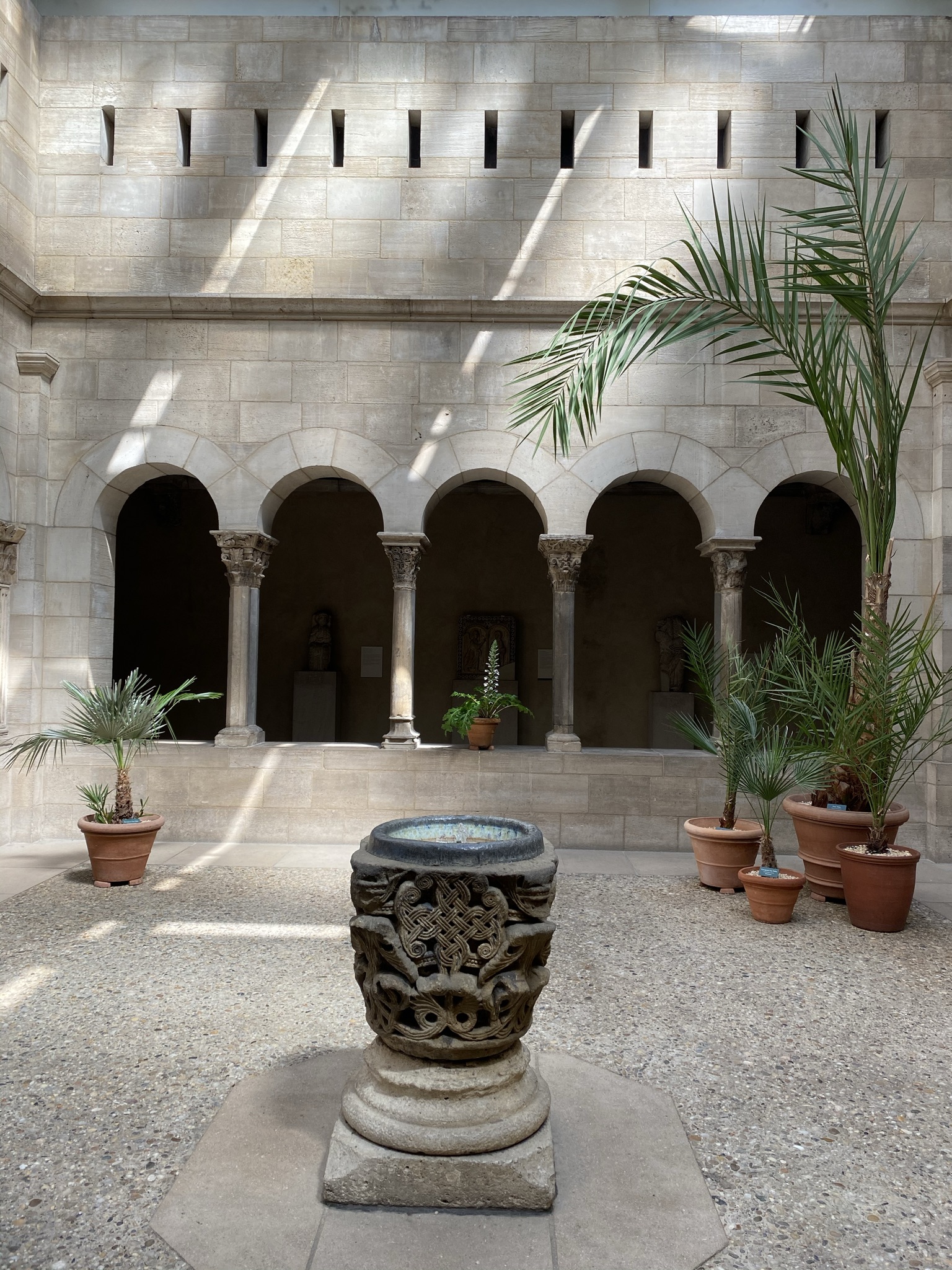
The Trie cloisters was compiled from two late 15th- to early 16th-century French structures. Most of the Trie cloisters came from a convent in Trie-sur-Baïse, located in south-western France.

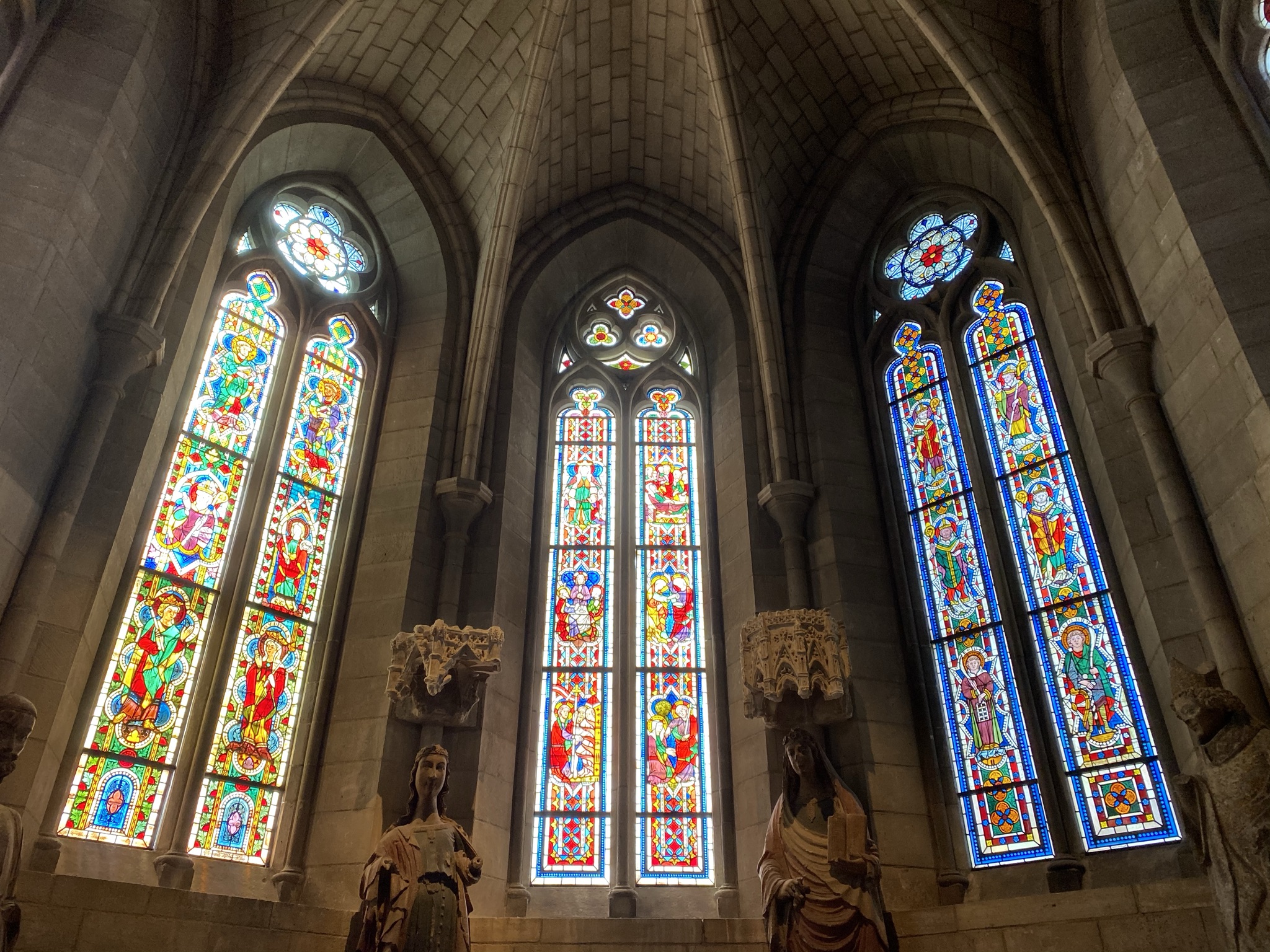
The Museum also house incredible stained glass windows and beautiful unicorn tapasteries.

 cookiesandnoodles
One thought on “Off the Beaten Path: The Met Cloisters”