Sensō-ji Temple
Sensō-ji Temple is an ancient Buddhist temple located in Asakusa in Tokyo. Dedicated to the goddess Kannon, the temple was completed in 645, making it Tokyo’s oldest temple. A shopping street called Nakamise Shopping Street, leads from the outer gate to the temple’s second gate, the Hozomon. Many festivals are held at Sensō-ji around the year, with the biggest one being Sanja Matsuri, the annual festival of the Asakusa Shrine, held in May.

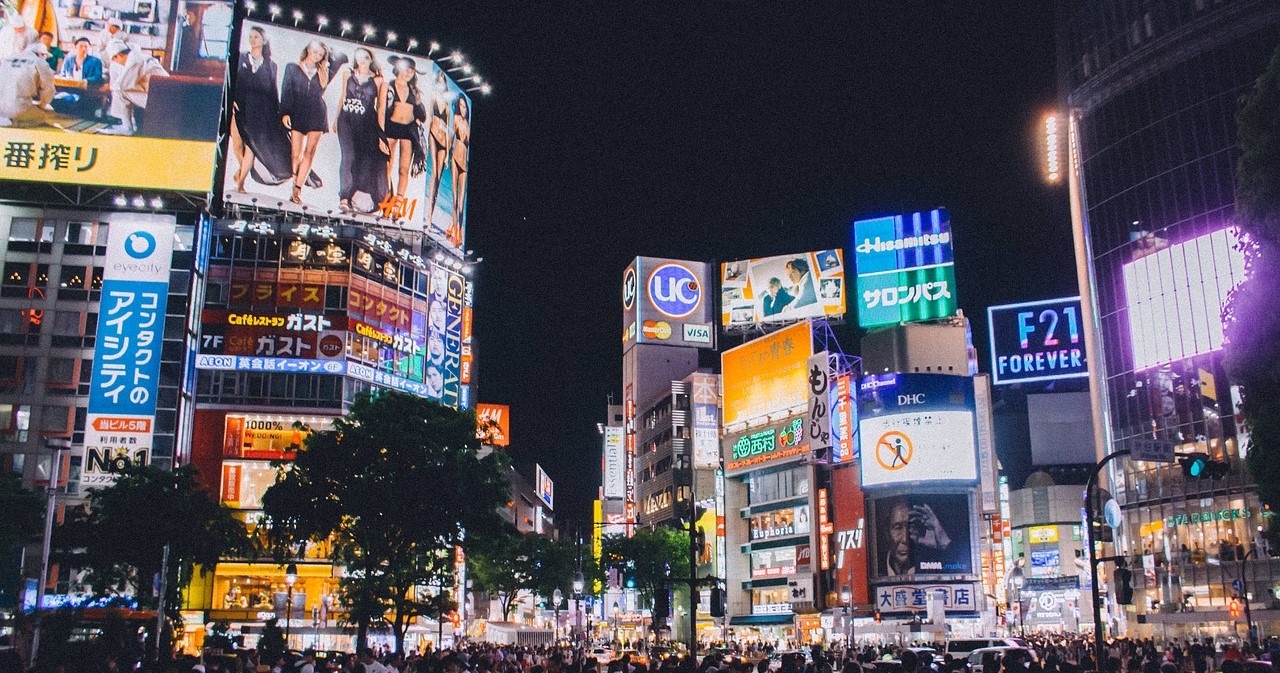
Kappabashi Shopping Street
Lined with over 200 shops selling kitchenware and supplies, it is a shopping heaven for home chefs.
Tsukiji
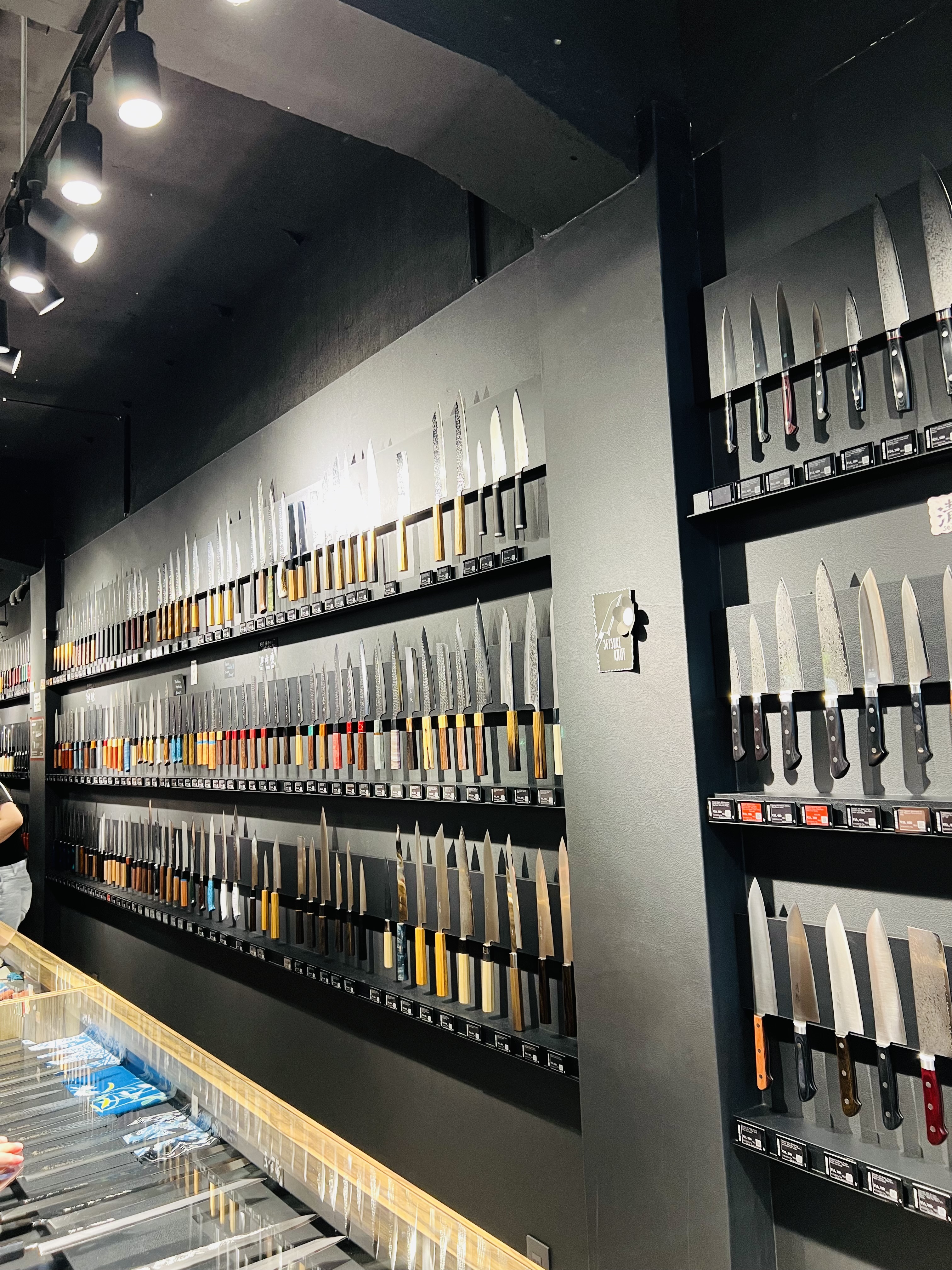
While the original Tsukiji Fish Market has since moved to a new location, the three square blocks known as the Outer Market still remain. The streets are filled with tons of shops with fresh fish and other food items, including ingredients and snacks. You can have delicious tamagoyaki as well as daifuku and meat skewers.

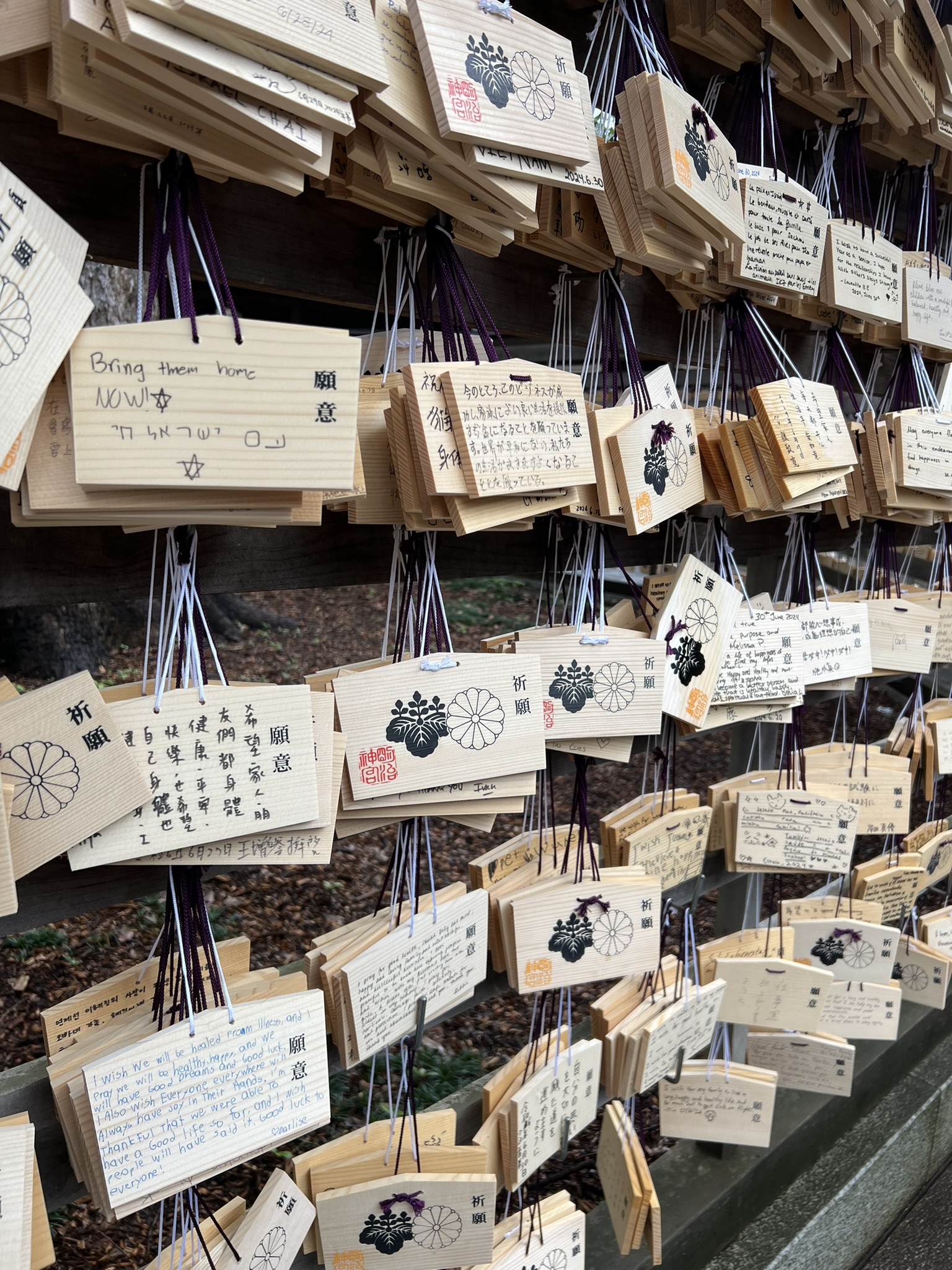
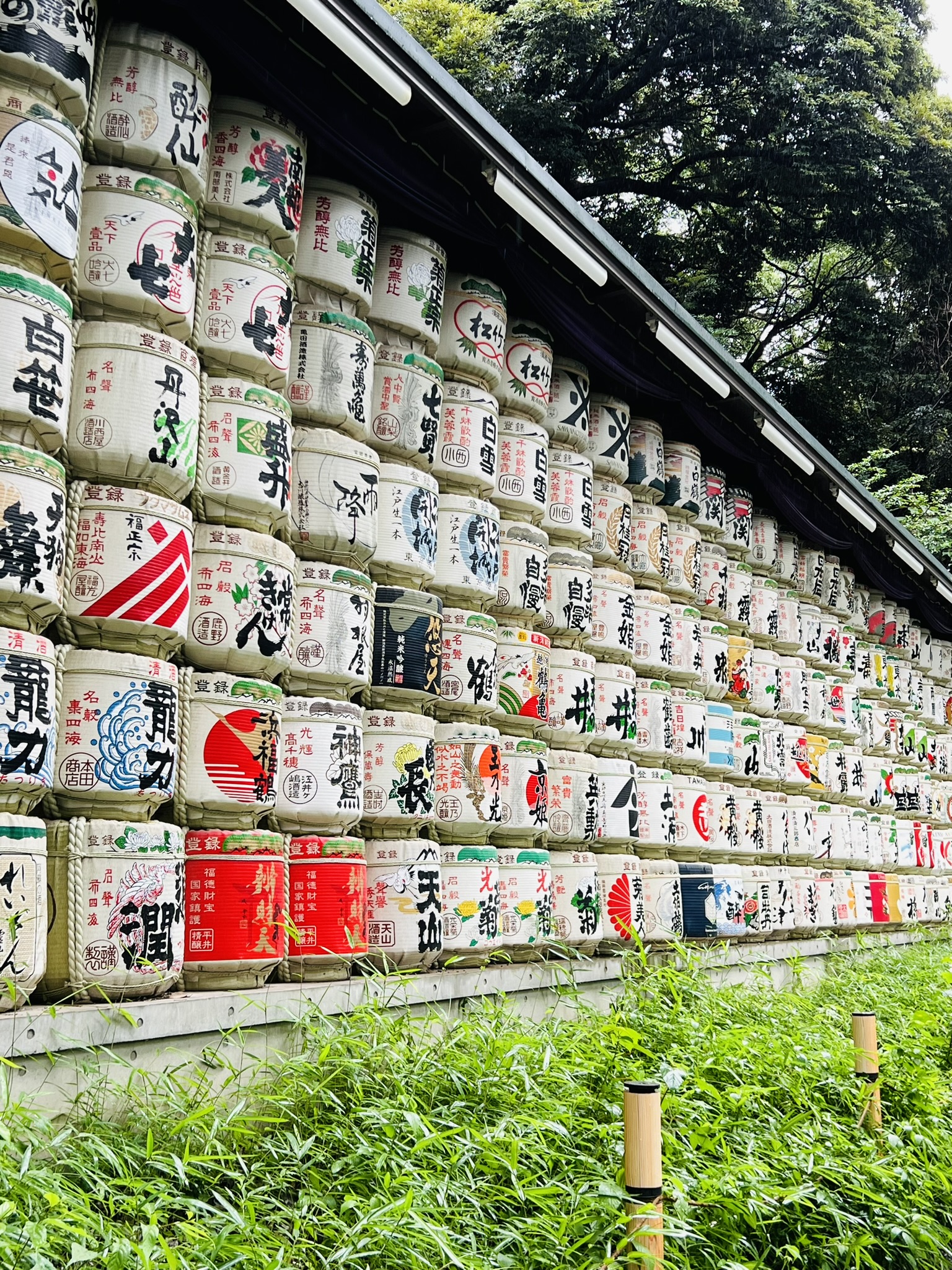
Meiji Jingu Shrine
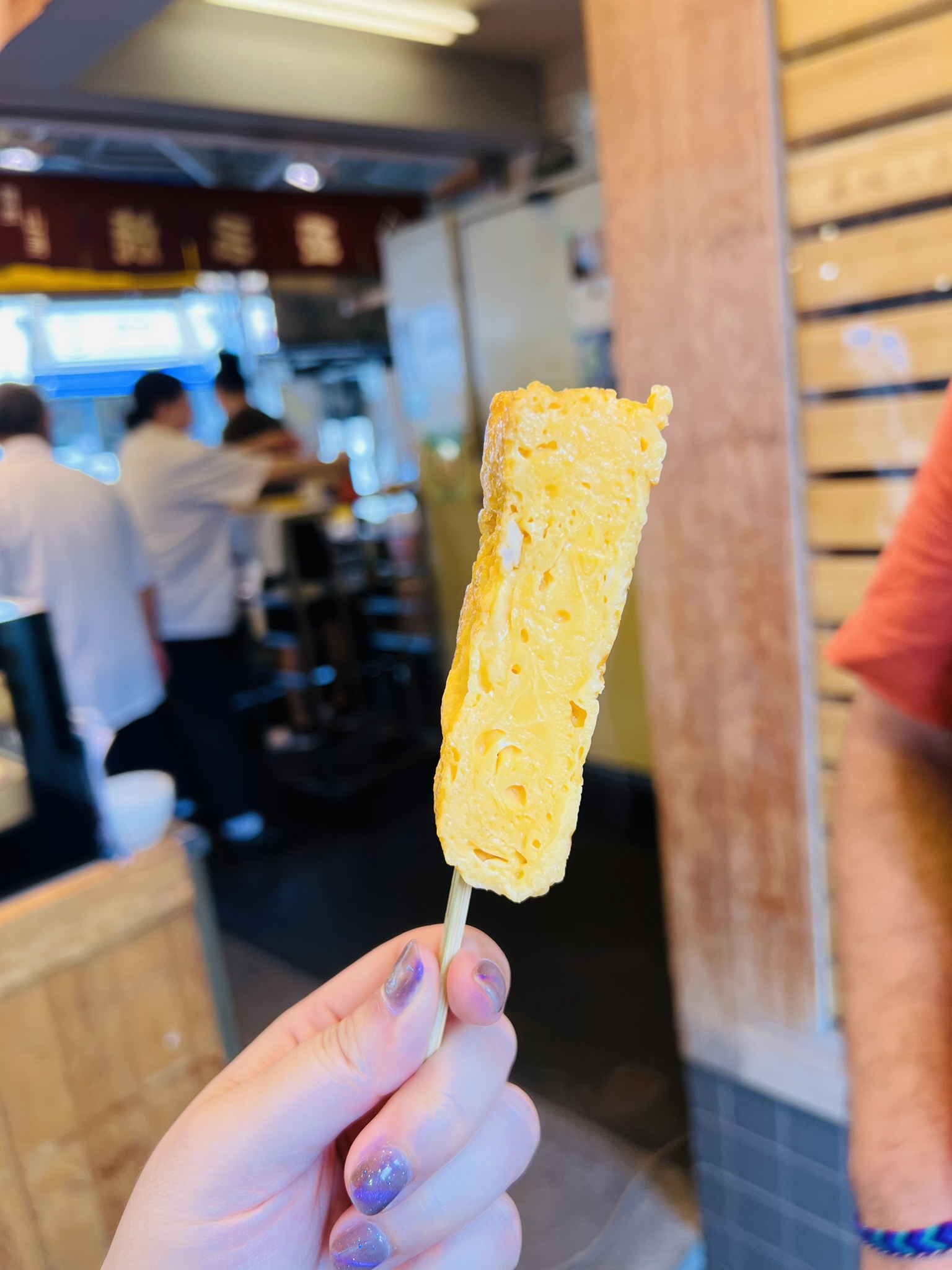
Meiji Shrine is a Shinto shrine in Shibuya that is dedicated to the deified spirits of Emperor Meiji and his wife, Empress Shōken. The main entrance gates are 40 feet high and are made from 1700 year old cypress trees from Mt. Ari in Taiwan. Meiji Jingu is located within a lush forested area, offering a peaceful retreat from the city’s bustle.
Shibuya Crossing + Hachiko
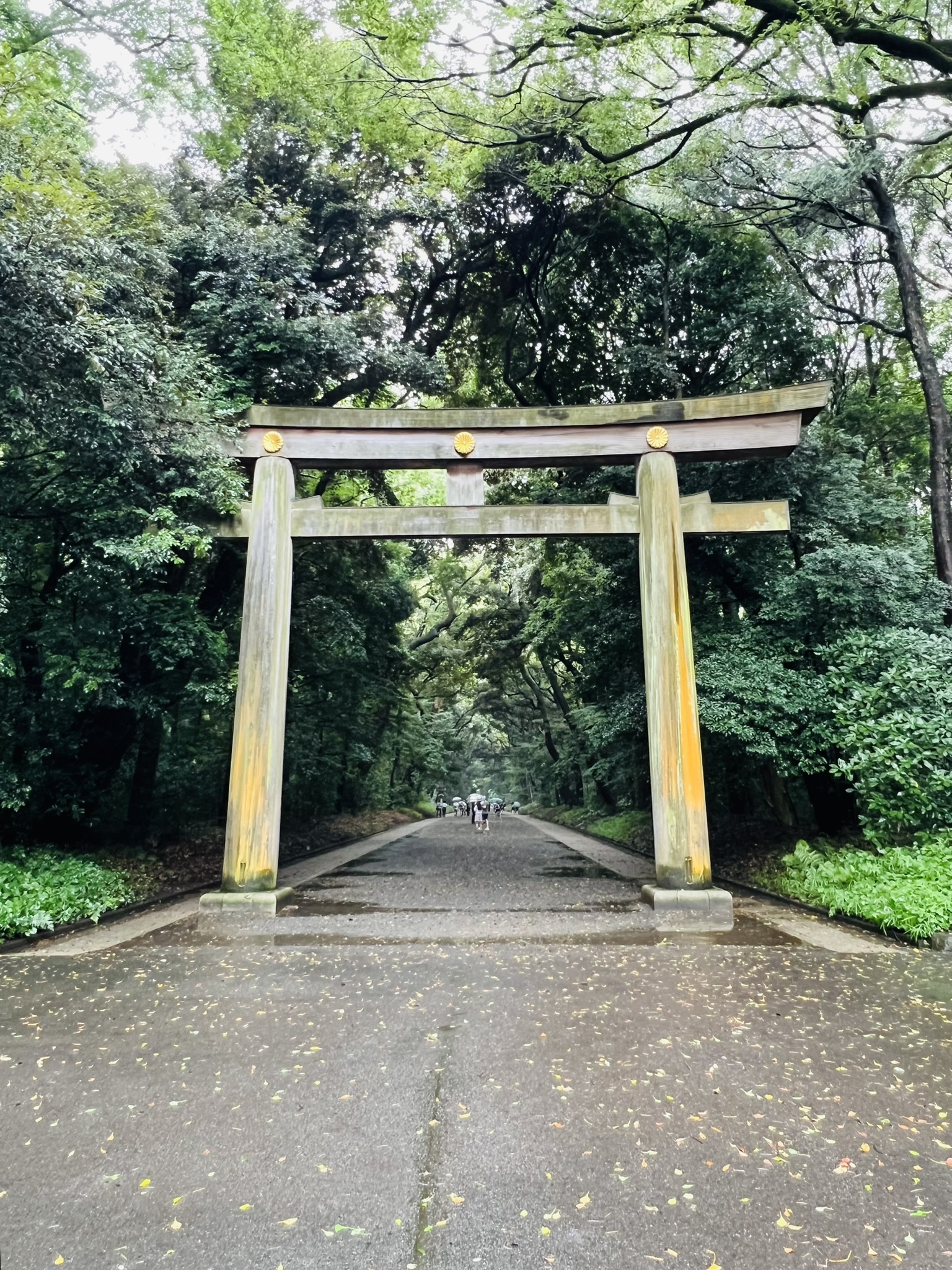
Shibuya Crossing is one of Tokyo’s most iconic and bustling landmarks, often featured in global media. It is a super popular spot for photographers and tourists who want to capture the iconic scene of various criss-crossing pedestrians. While you’re there, be sure to visit Hachiko, one of Japan’s most beloved and enduring symbols of loyalty and devotion. Hachiko was a shiba who would accompany his owner to Shibuya Station every morning and wait for him to return at the end of the day. When Hachiko’s owner passed away, he continued to wait at Shibuya Station for him every day, hoping to see him return.

Go shopping in Shibuya
Shibuya is home to numerous department stores, boutique shops, and electronic stores. Major shopping centers include Shibuya Parco, Shibuya Mark City, and Shibuya Scramble Square. Shibuya Parco has a Nintendo Store as well as a Pokemon Center. One of my favorite stores in Shibuya was Loft, which is known for their stationary and well-made Japanese knick knacks that make great souvenirs.


KOFFEE MAMEYA Kakeru
Koffee Mameya Kakeru is a specialty coffee shop in Tokyo known for its high-quality coffee and unique brewing techniques. If you’re a coffee person, this is a super unique experience where they use various brewing techniques to craft a tasting menu featuring one bean. Their coffee-themed cocktails are a standout and I highly recommend venturing out into the “suburbs” of Tokyo for it.


Disneyland / DisneySea
Located about 30 minutes away from central Tokyo, Tokyo Disneyland and DisneySea are a must-visit if you’re a Disney theme park fan. If you’re strapped for time, I would say prioritize DisneySea, as it is an entirely unique park to Japan. The newest expansion of Fantasy Springs features amazingly made Frozen and Tangled rides as well as amazingly themed areas.

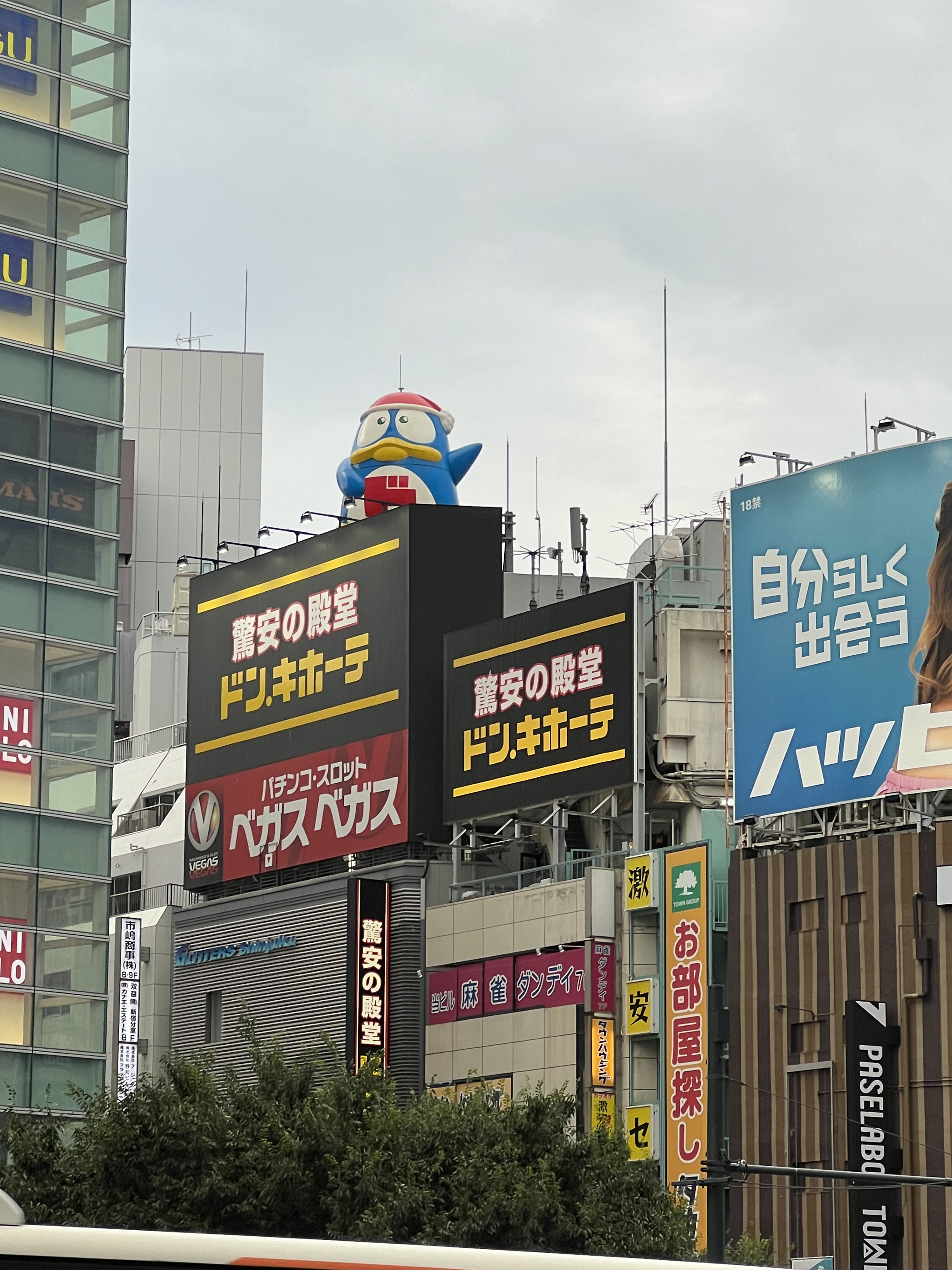
Don Quixote
Don Quijote, often referred to simply as “Donki,” is a popular discount store chain in Japan. The stores sell everything from cosmetics, Japanese snacks, household goods, electronics, souvenirs, clothing, and much more. You can pick up your Kitkats as well as Japanese cosmetics in one place! The stores are typically open 24 hours, and even the ones that aren’t open 24 hours are open until late into the early morning. The Mega Donki in Shibuya is one of the most insane, chaotic stores that I have ever been to. I’d recommend hitting up the Asakusa one instead, as it’s far calmer, in my opinion.

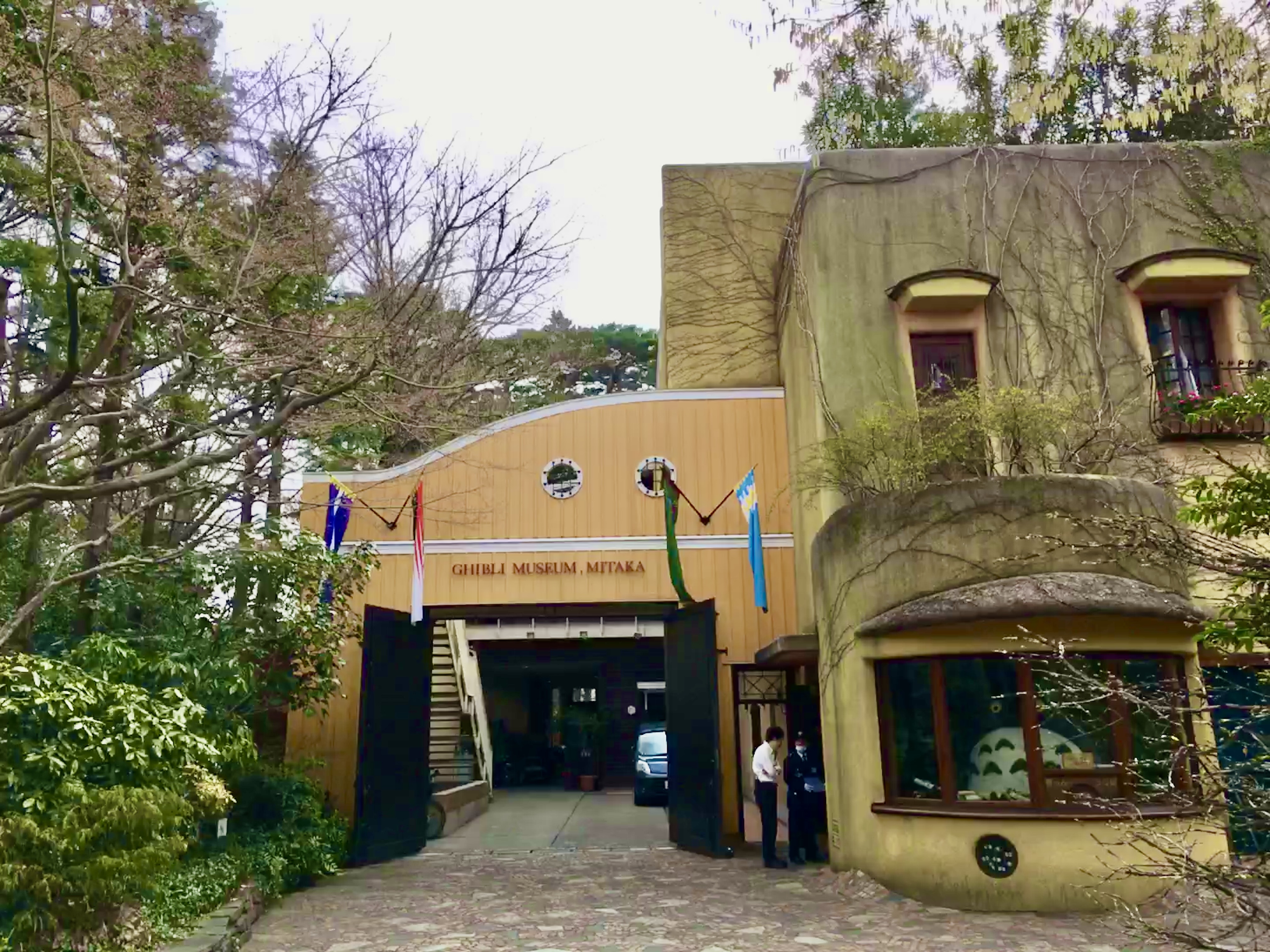
Studio Ghibli Museum
Located in Mitaka, the Studio Ghibli Museum is a unique and enchanting museum dedicated to the works of Studio Ghibli, known for its critically acclaimed films such as My Neighbor Totoro, Spirited Away, and Princess Mononoke. The museum features exhibits that showcase the art, animation techniques, and creative processes behind Studio Ghibli’s films. Visitors can see original sketches, storyboards, and concept art. There is a life-sized replica of the Catbus from My Neighbor Totoro as well as a theater that shows exclusive short films created by Studio Ghibli that have not been shown elsewhere.
 cookiesandnoodles