After spending your first two days in the Pest side, you’re going to finally visit the Buda side on the last two days of your time in Budapest.
Day 3:
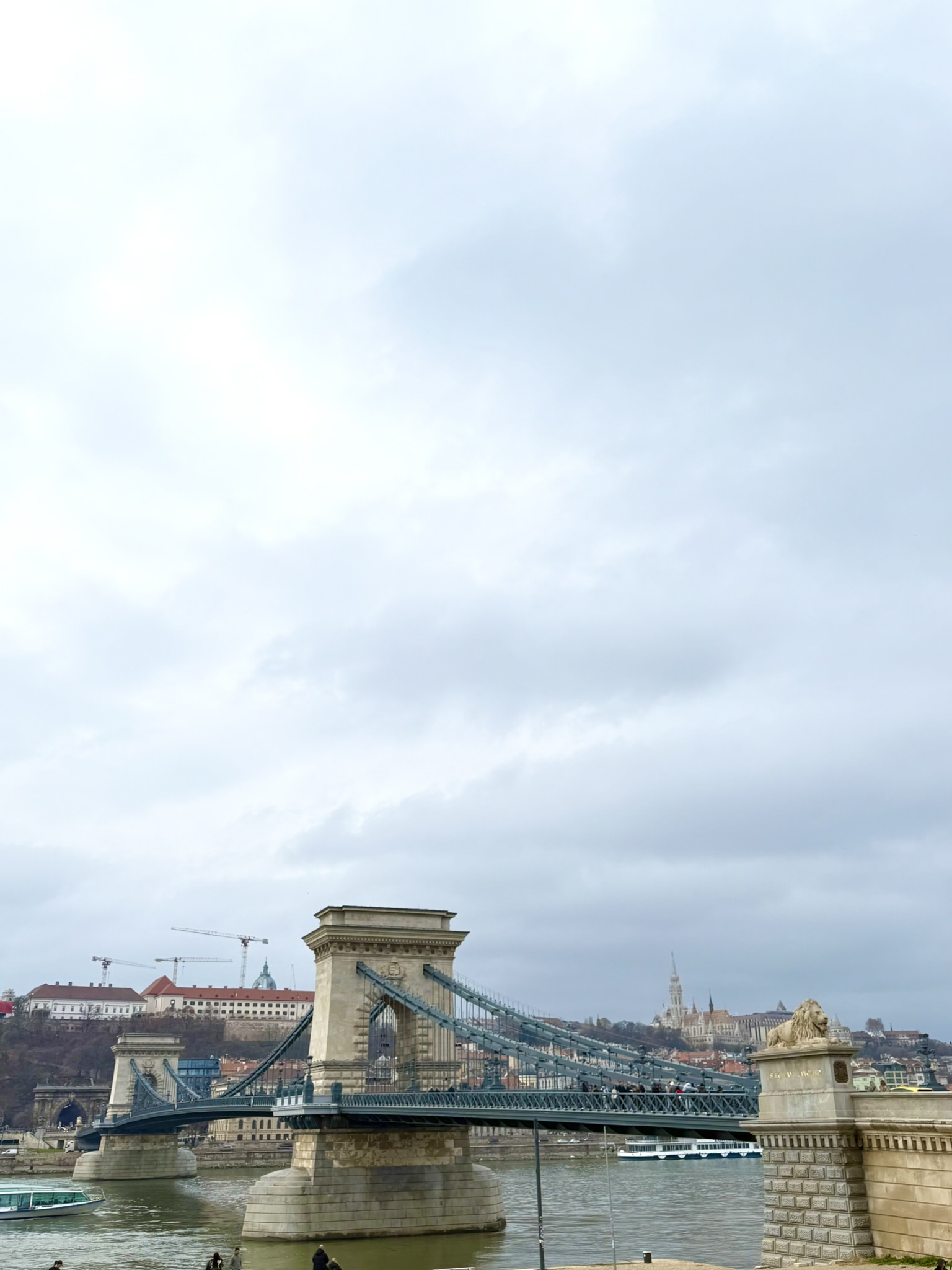
Start the day off with a quick breakfast and then make your way to the Buda side. We opted to walk instead of taking public transportation, since the weather was quite nice. The walk is fairly straight forward – just cross the Széchenyi Chain Bridge. The Bridge offers incredible views, both during the day and at night, of both sides of Budapest.
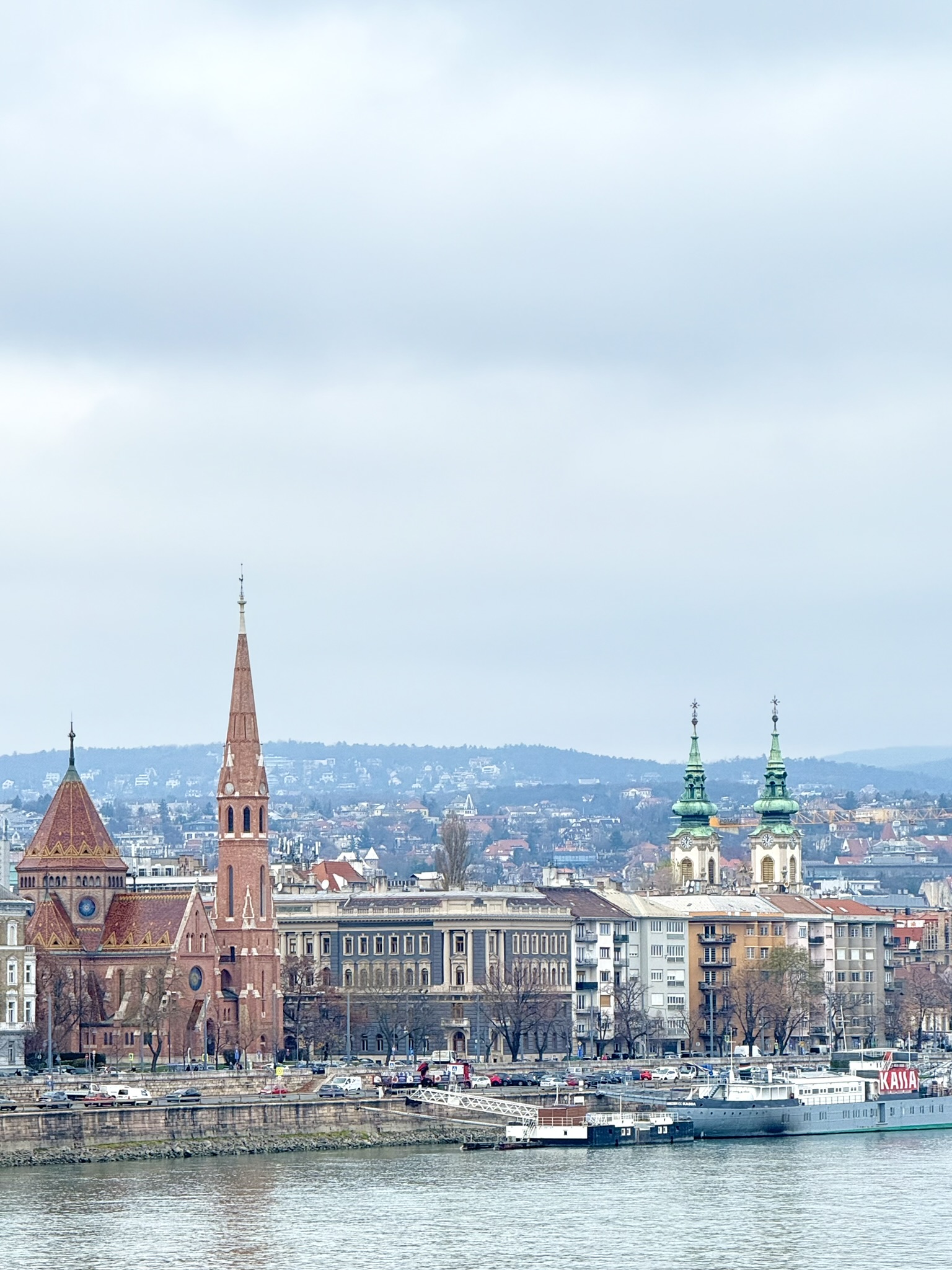
Make your way up to Castle Hill. There is a Funicular that can take you up to the top of Castle Hill, or you can walk like we did. It’s not that steep of a walk and it was nice to walk around the Buda side.
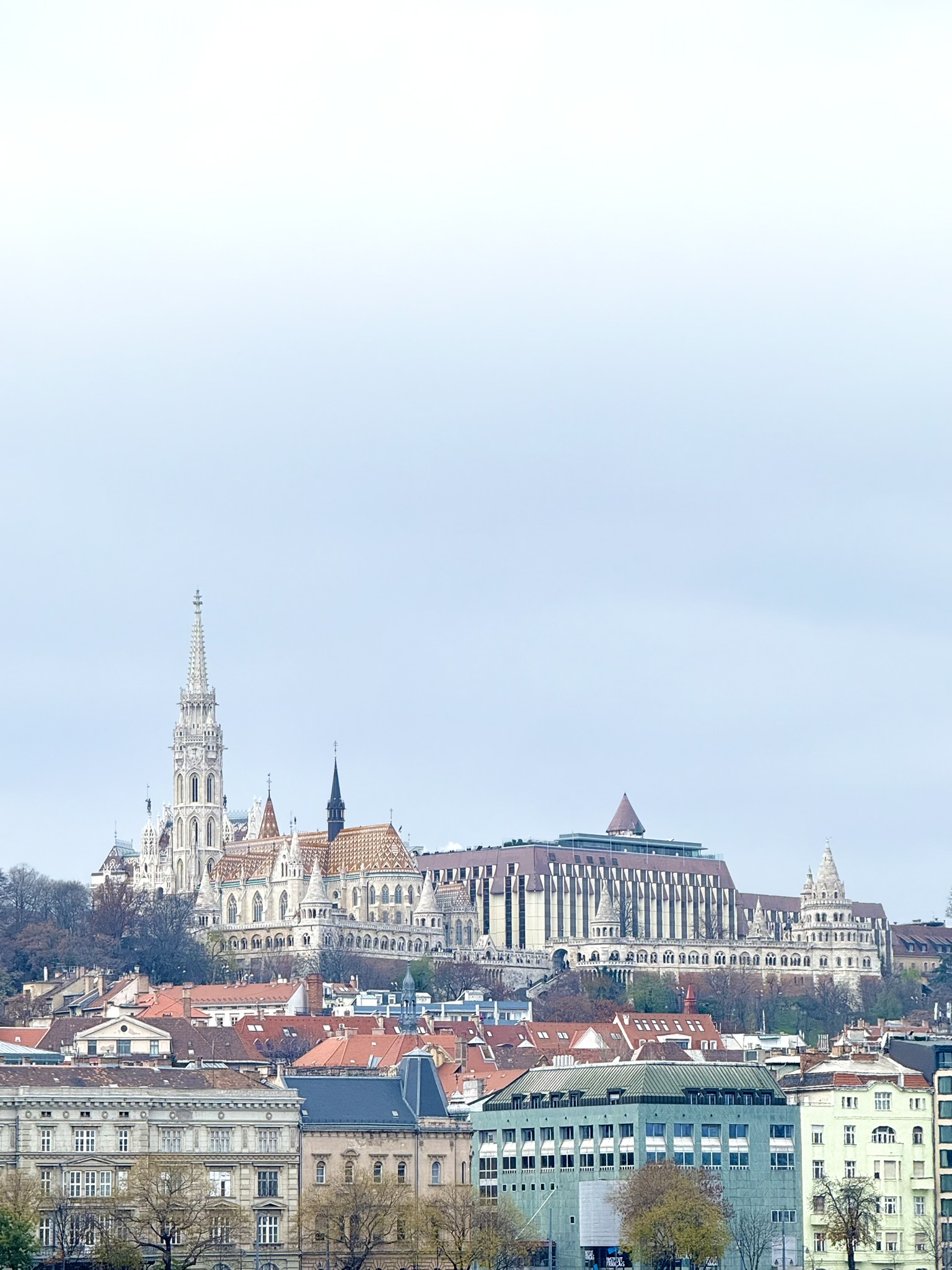
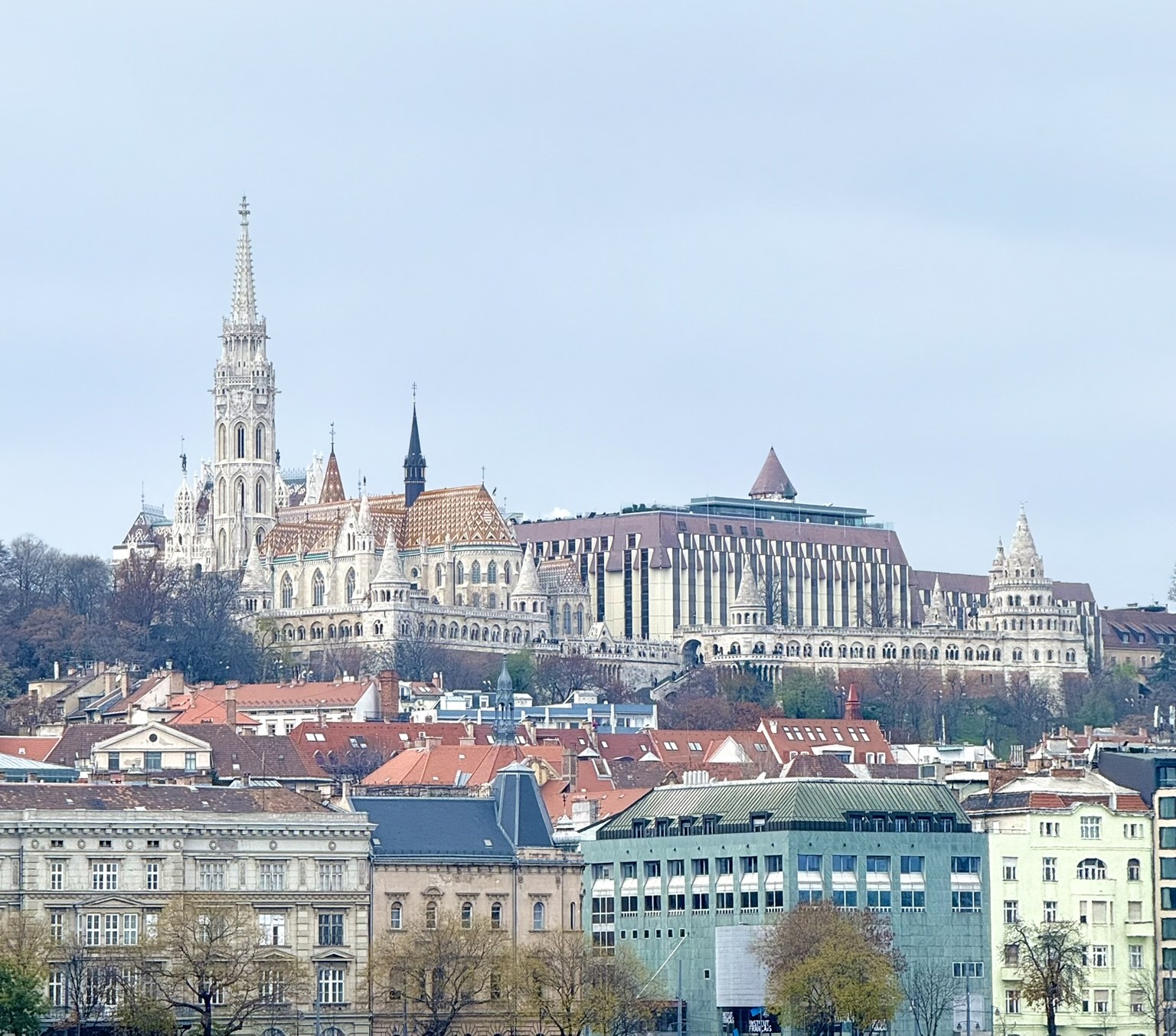
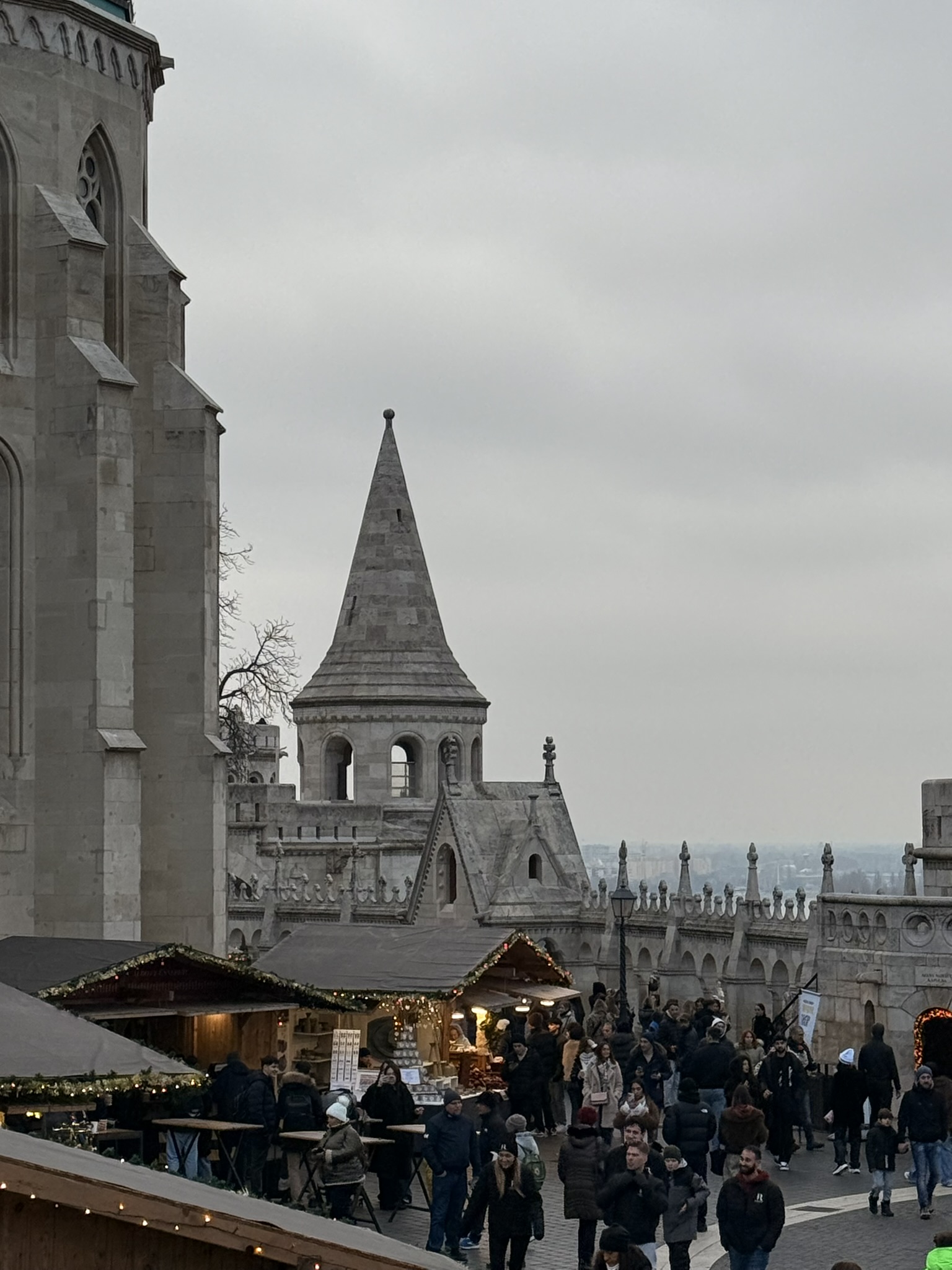
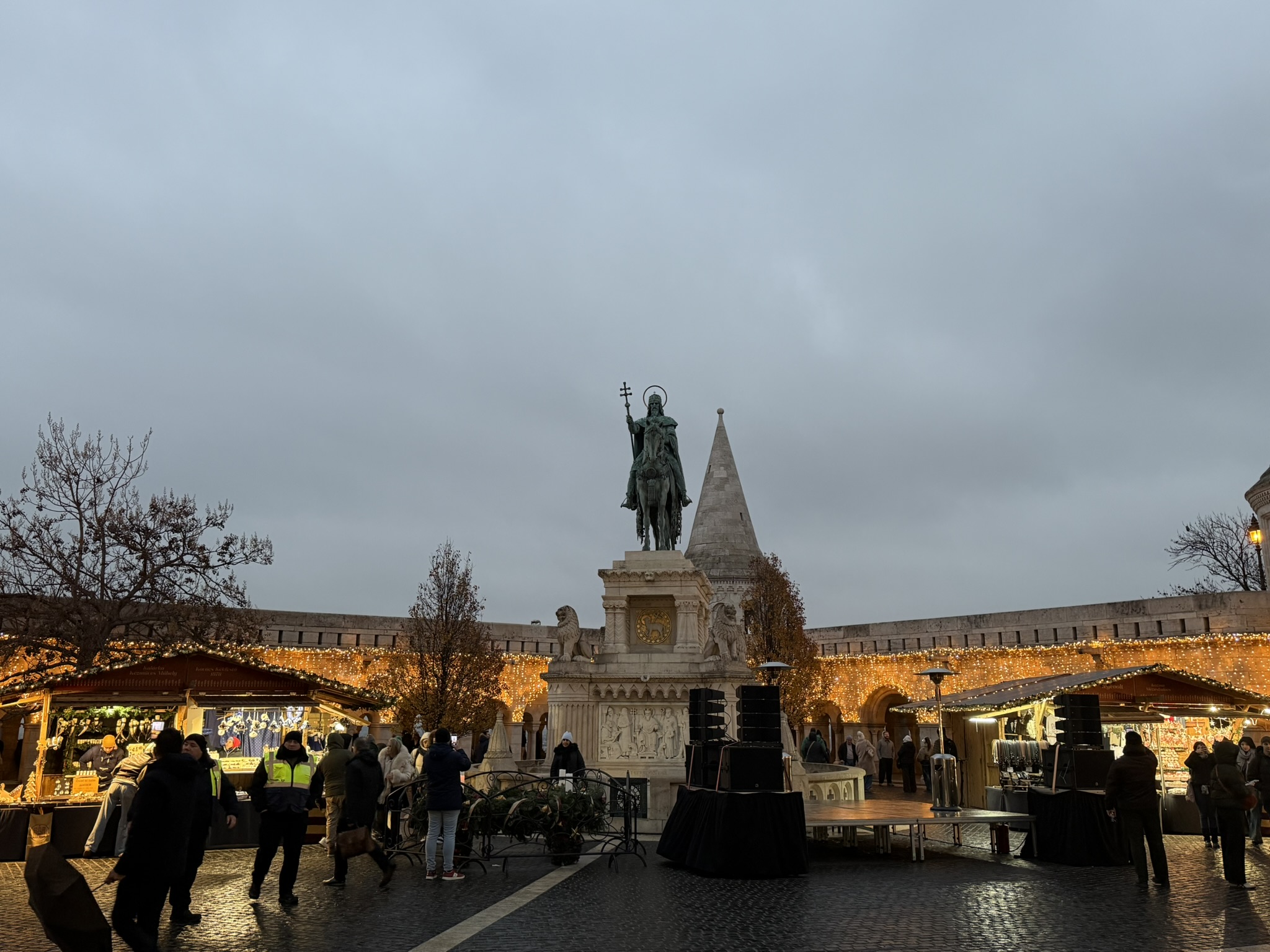
We had opted to do a Buda Castle Walking Tour, booked via Get Your Guide. The tour started in Fisherman’s Bastion, a lookout at the top of Castle Hill. Built 1895–1902 in Neo-Romanesque style, it was named after the fishermen’s guild, which once defended this part of the city walls.
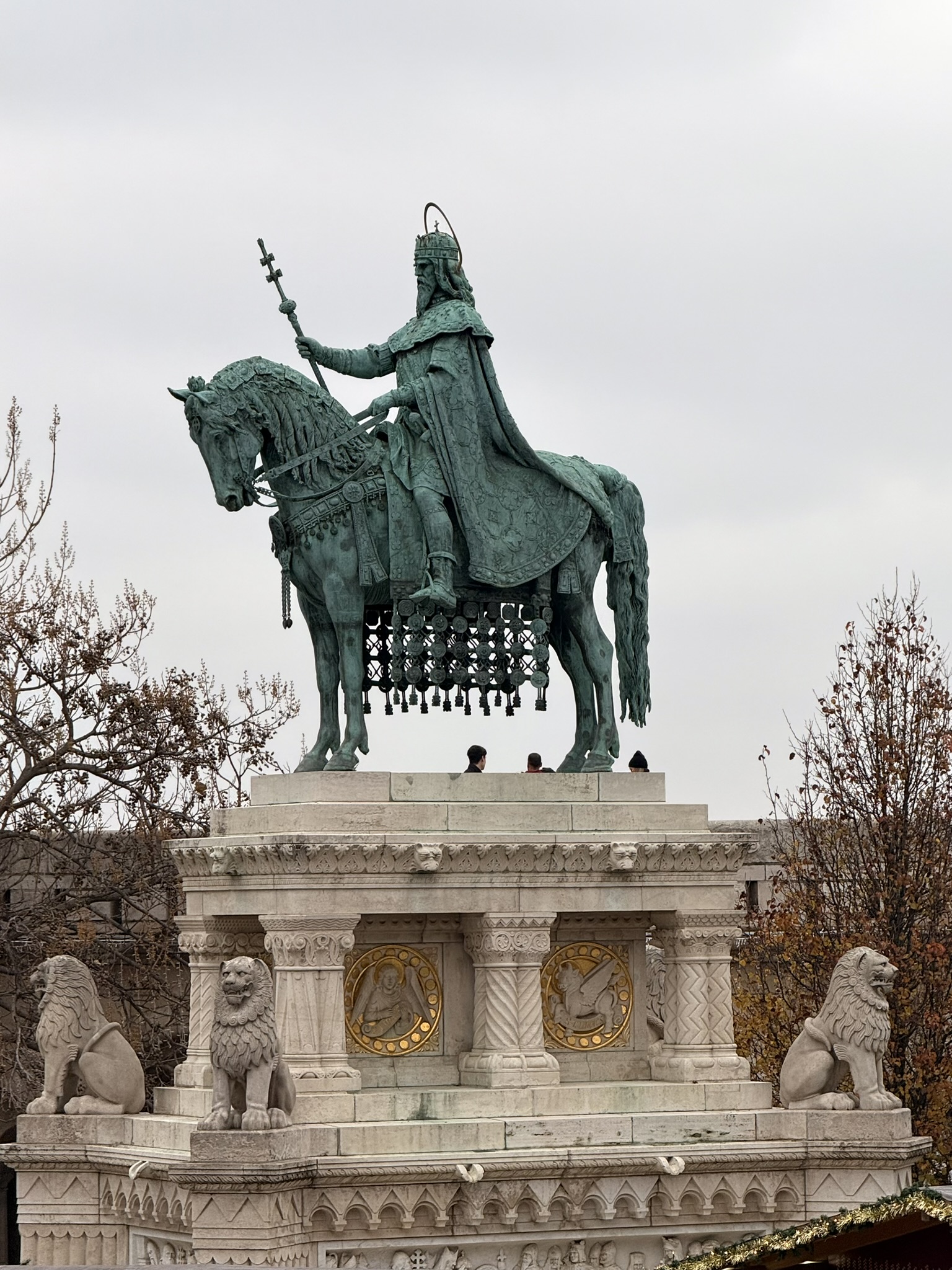
The main statue at Fisherman’s Bastion is the Statue of Saint Stephen I (Szent István király), Hungary’s first king. Canonized as Saint Stephen I after his death, he was credited with founding the Hungarian Christian state. Our guide told us that in Hungarian statues, if both hooves of the horse are on the ground, it means the rider died of natural causes. If one hoof of the horse is raised, then the rider had died from wounds in battle. If both front hooves were raised, then the rider had died in battle.
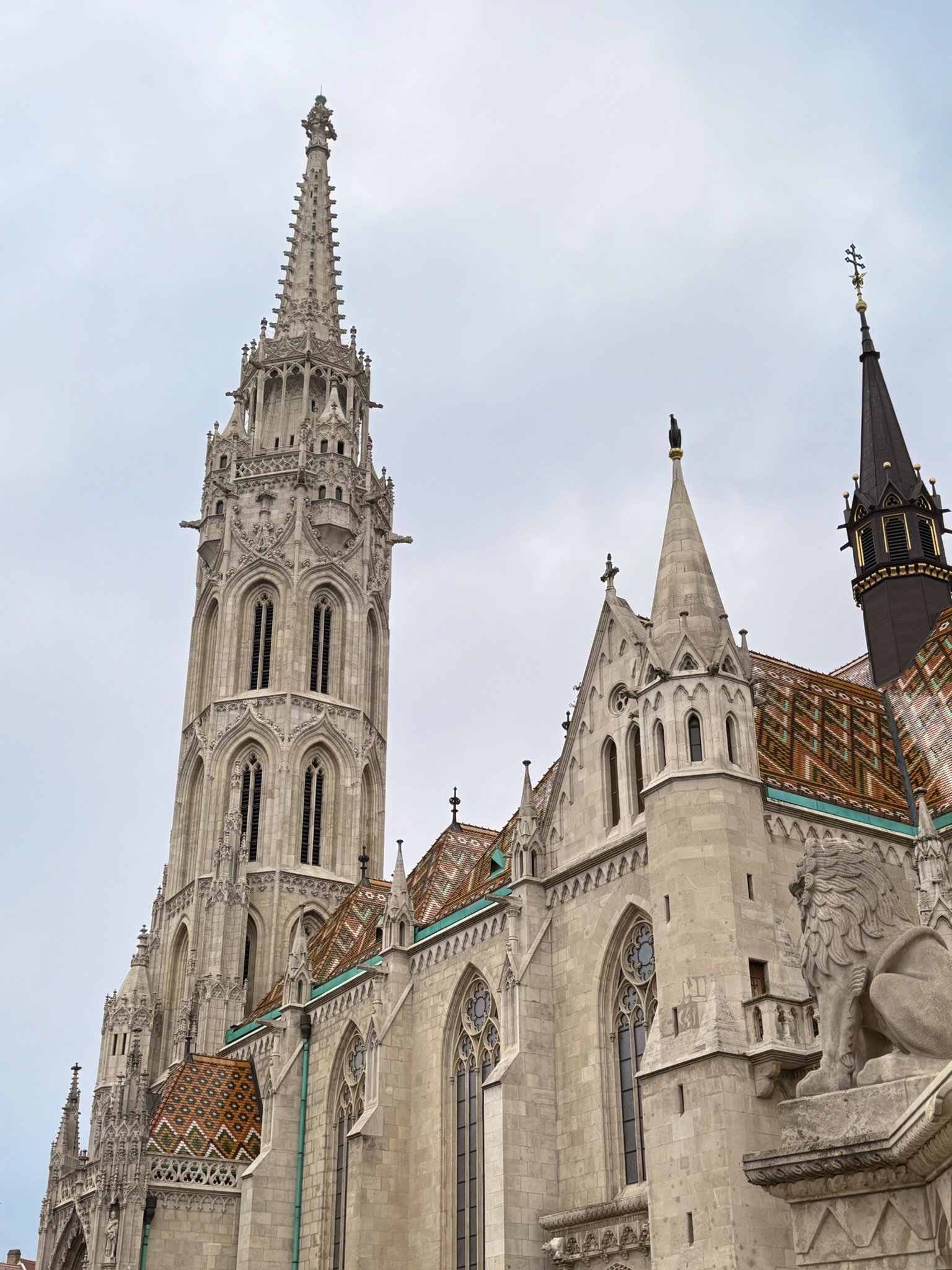
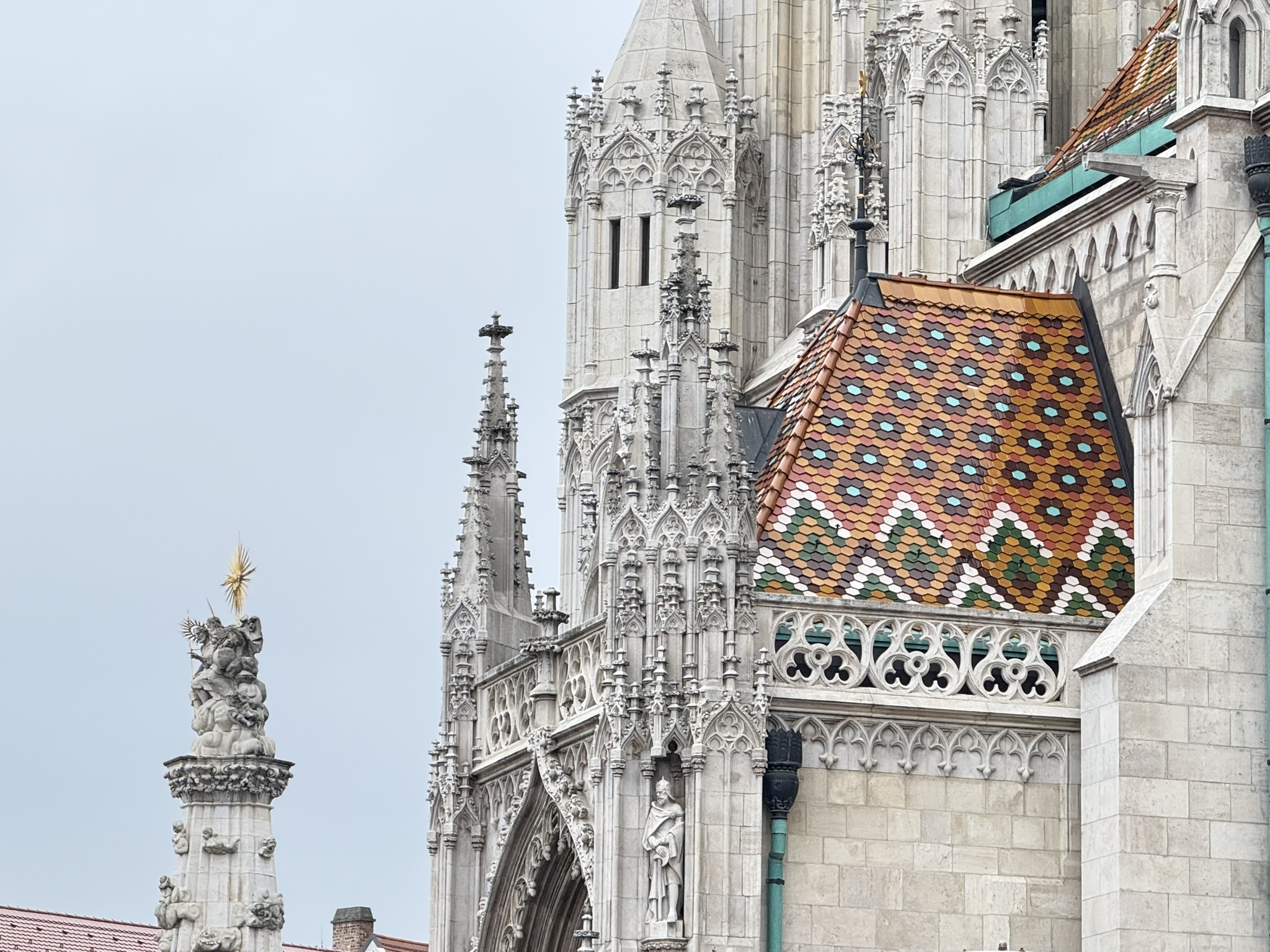
The tour then proceeded to Matthias Church (Mátyás-templom), which is officially named the Church of Our Lady of Buda. The church is often called Matthias Church because King Matthias held both of his weddings there. It is one of the most beautiful and important churches in Budapest. Originally built in the 13th century, it served as the main church of Buda. Many Hungarian kings were crowned here, including Emperor Franz Joseph I. During Ottoman rule, it was turned into a mosque, but has since been restored to a Roman Catholic church.
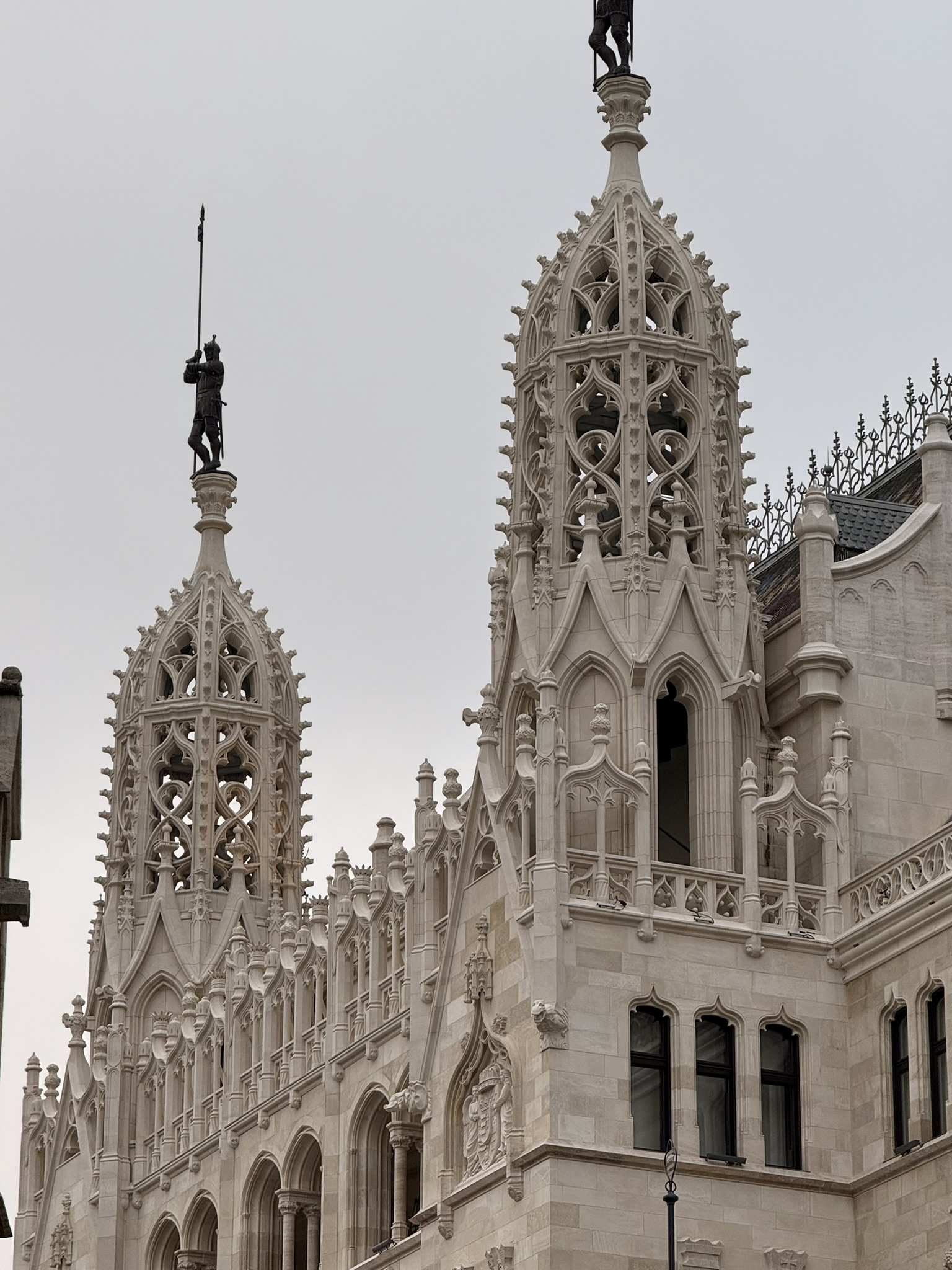
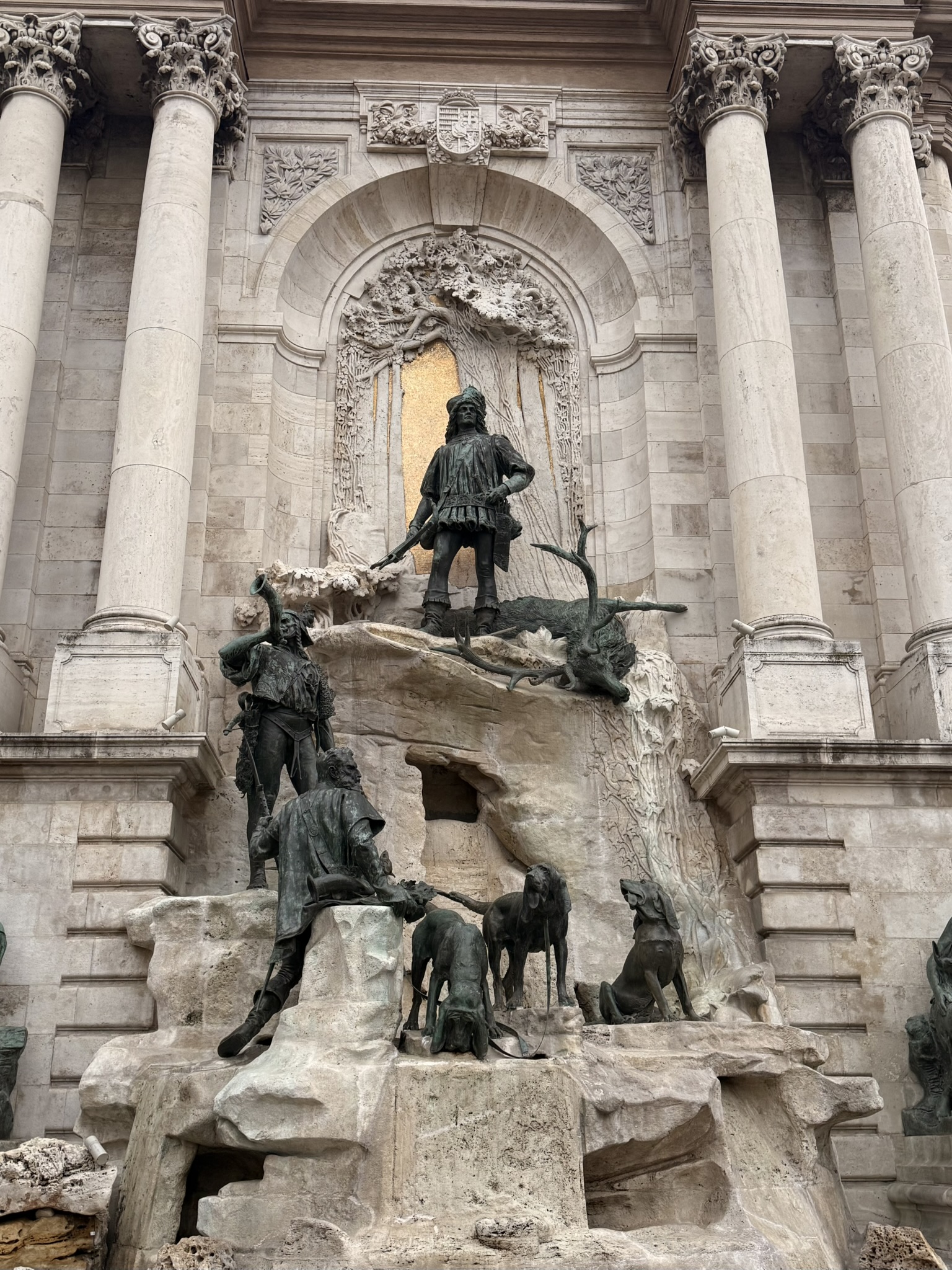
Buda Castle (Budavári Palota) is one of the most important historic landmarks in Budapest, standing on Castle Hill above the Danube. The Castle was first built in the 13th century after the Mongol invasion. It has served as the royal palace of Hungarian kings for centuries. During the years, it has been damaged and rebuilt many times, including during the Ottoman period (16th – 17th century), the Habsburg era, and during World War II. The Castle currently houses three museums: the Hungarian National Gallery, which features Hungarian art, the Budapest History Museum, and the National Széchényi Library.
The tour we were on did not include entry into any of the attractions, but you’re welcome to visit any of them after the tour. We opted to just walk around instead. We even got to watch the last changing of the guards at the Hungarian Presidential Palace. The changing of the guards happens every hour, on the hour from 8:30 A.M. to 5:00 P.M.
Our tour ended back at Fisherman’s Bastion, where during the Christmas season, there is a small Christmas market. Around sunset, the lights come on and it’s absolutely magical.
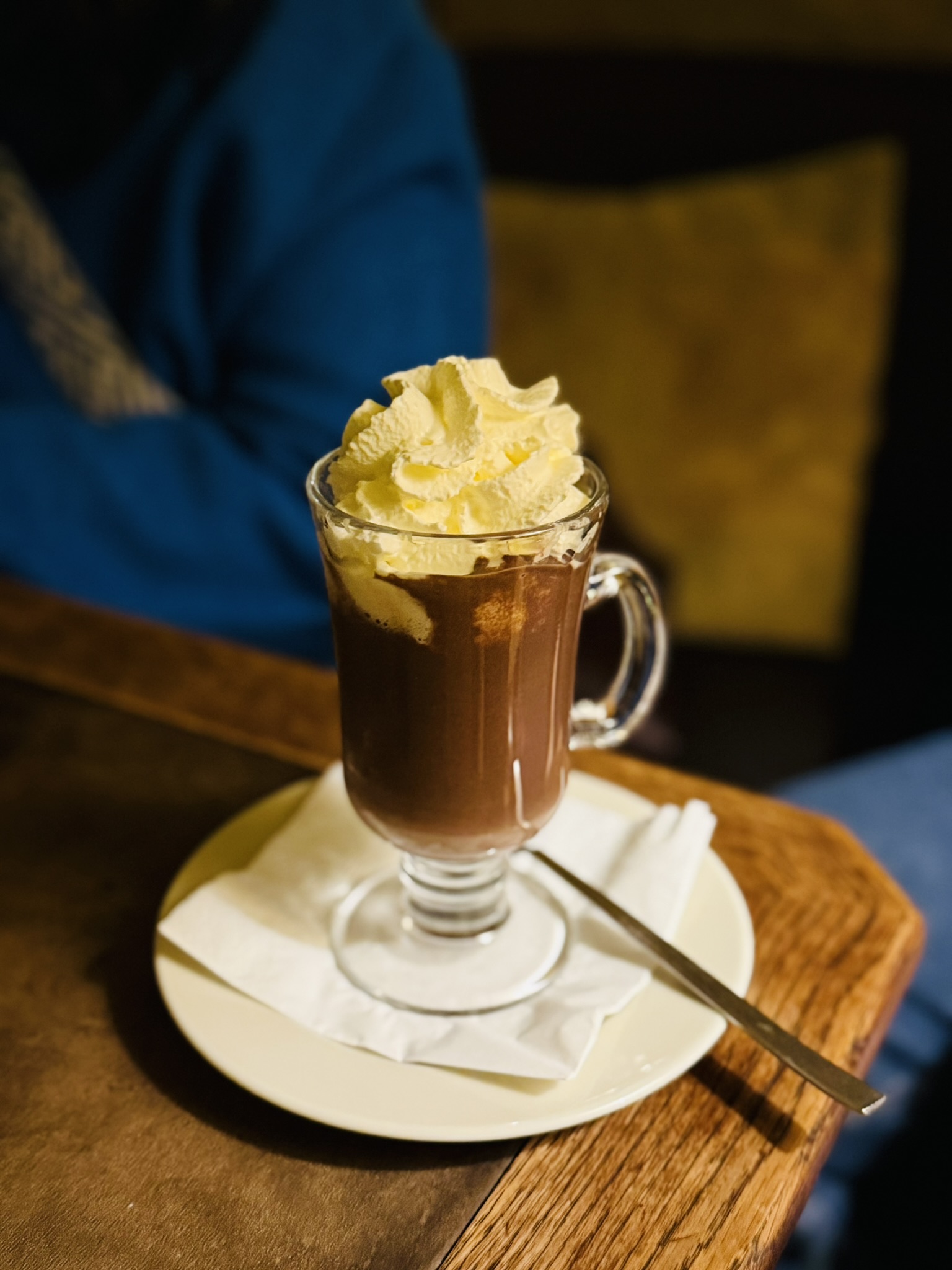
When you’re finished with Castle Hill, make your way down for a break at Csészényi Café and Coffee Bean Roaster. Csészényi Café and Coffee Bean Roaster is a cozy, beloved specialty coffee spot and roastery on the Buda side of Budapest. The cafe is super cozy with antique decor that gives off nostalgic vibes. We had the most excellent hot chocolate here – a perfect break after all the exploring.
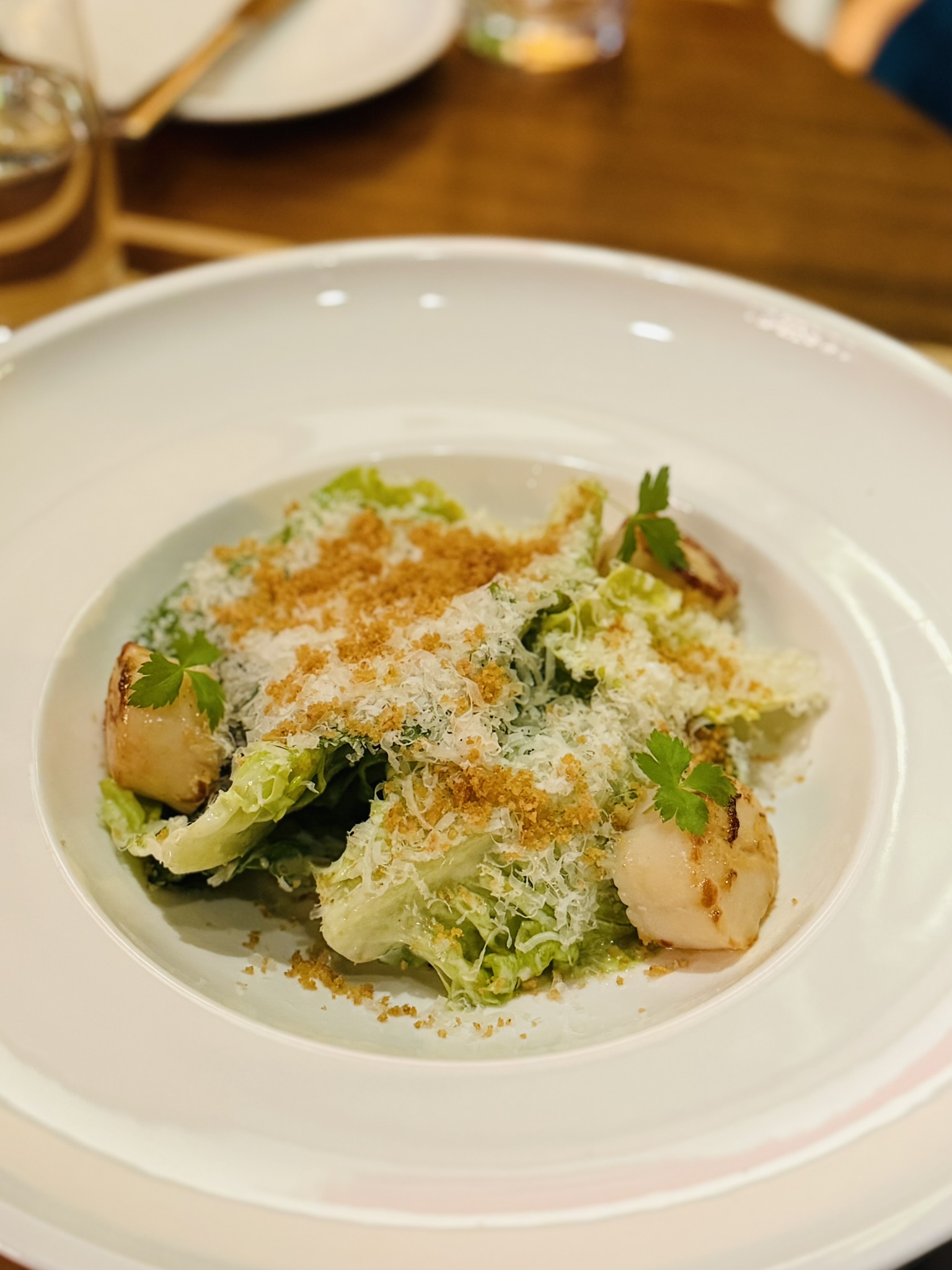
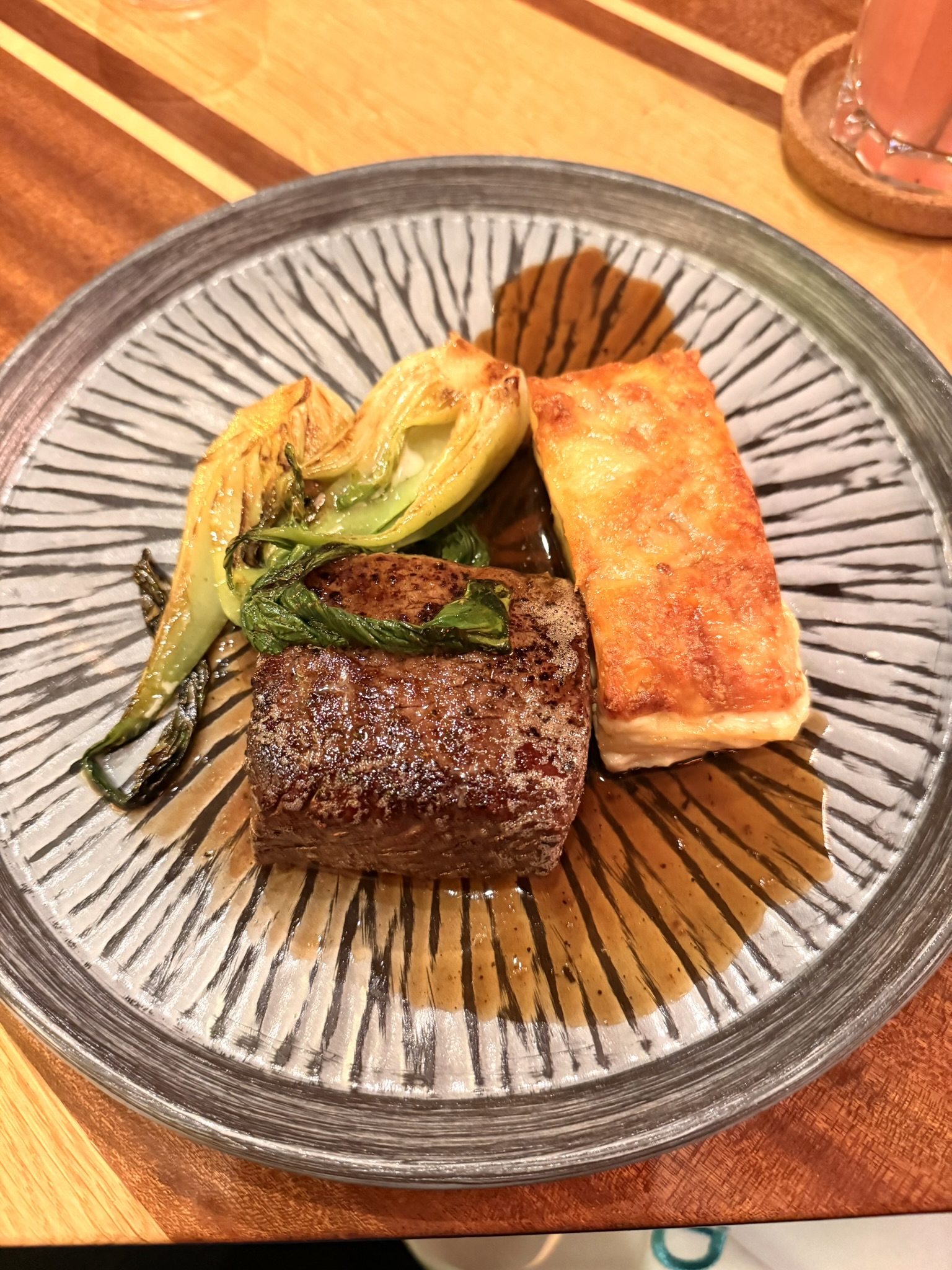
Dinner will be at Stand25. Stand25 is a bistro located on the Buda side of Budapest. Created by chefs Szabina Szulló and Tamás Széll, it is helmed by the same team behind the two-Michelin-starred fine dining restaurant, Stand. While Stand25 is not a full Michelin-star restaurant, it is featured in the Michelin Guide as a Bib Gourmand for its excellent quality at moderate prices. The Salmon Fillet with risotto and green pea was the absolute best dish we had at the table.
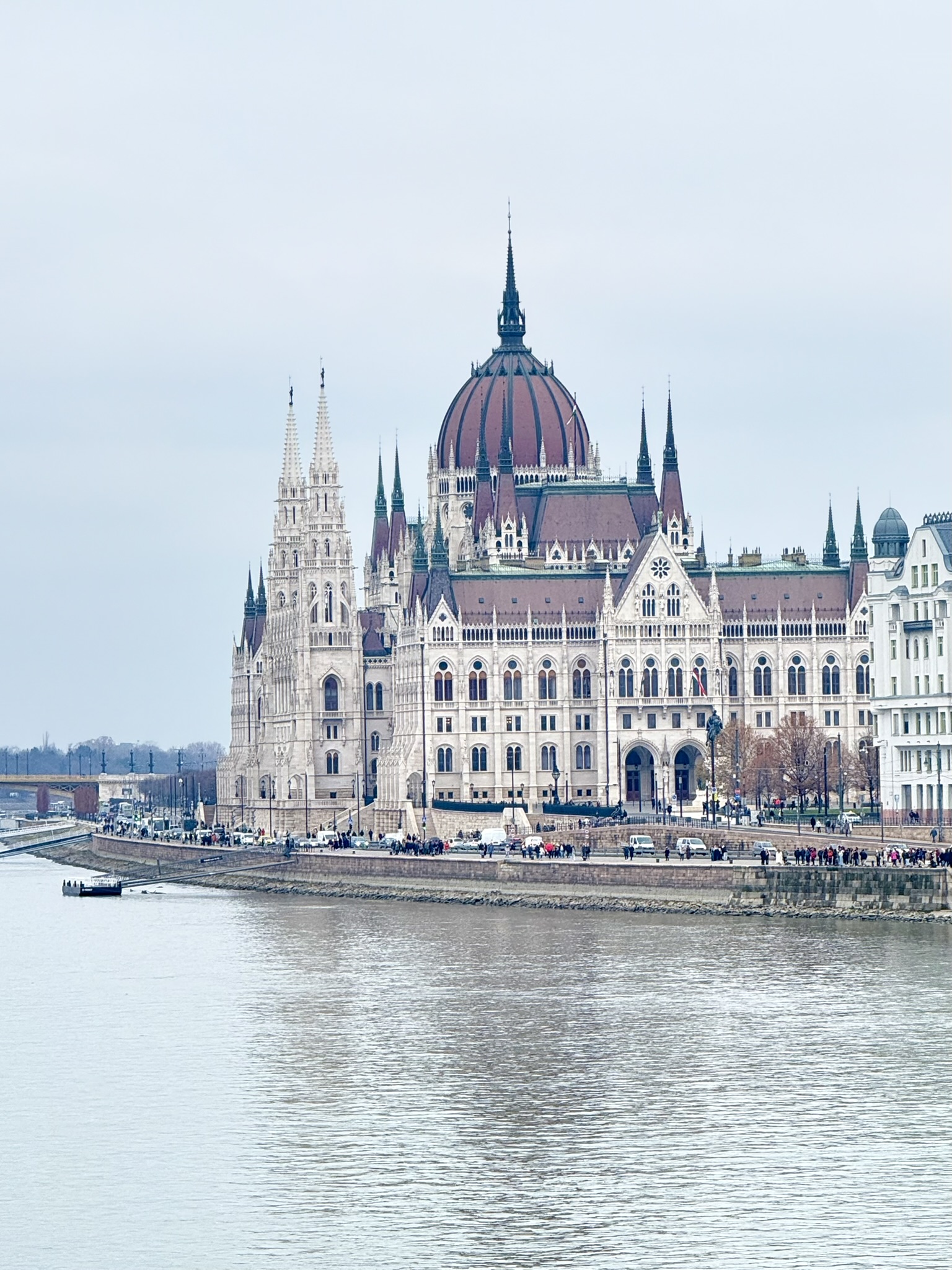
We walked home that night, back across Széchenyi Chain Bridge, and were given the most beautiful night view of the Parliament Building.
Day 4:
If the weather is nice, start your day at Gellért Hill (Gellért-hegy), a famous hill in Budapest, that rises about 235 meters above the Danube. Named after Saint Gellért (St. Gerard), a bishop who, according to stories, was martyred there in 1046, it is one of the best lookout points over the Danube, Buda Castle, and Pest. You can take Bus 27, which goes close to the top Citadella or Trams 19, 41, 47, 49 that stop near the base. During the winter, the paths can get slippery, so I do not recommend it if the weather is bad.
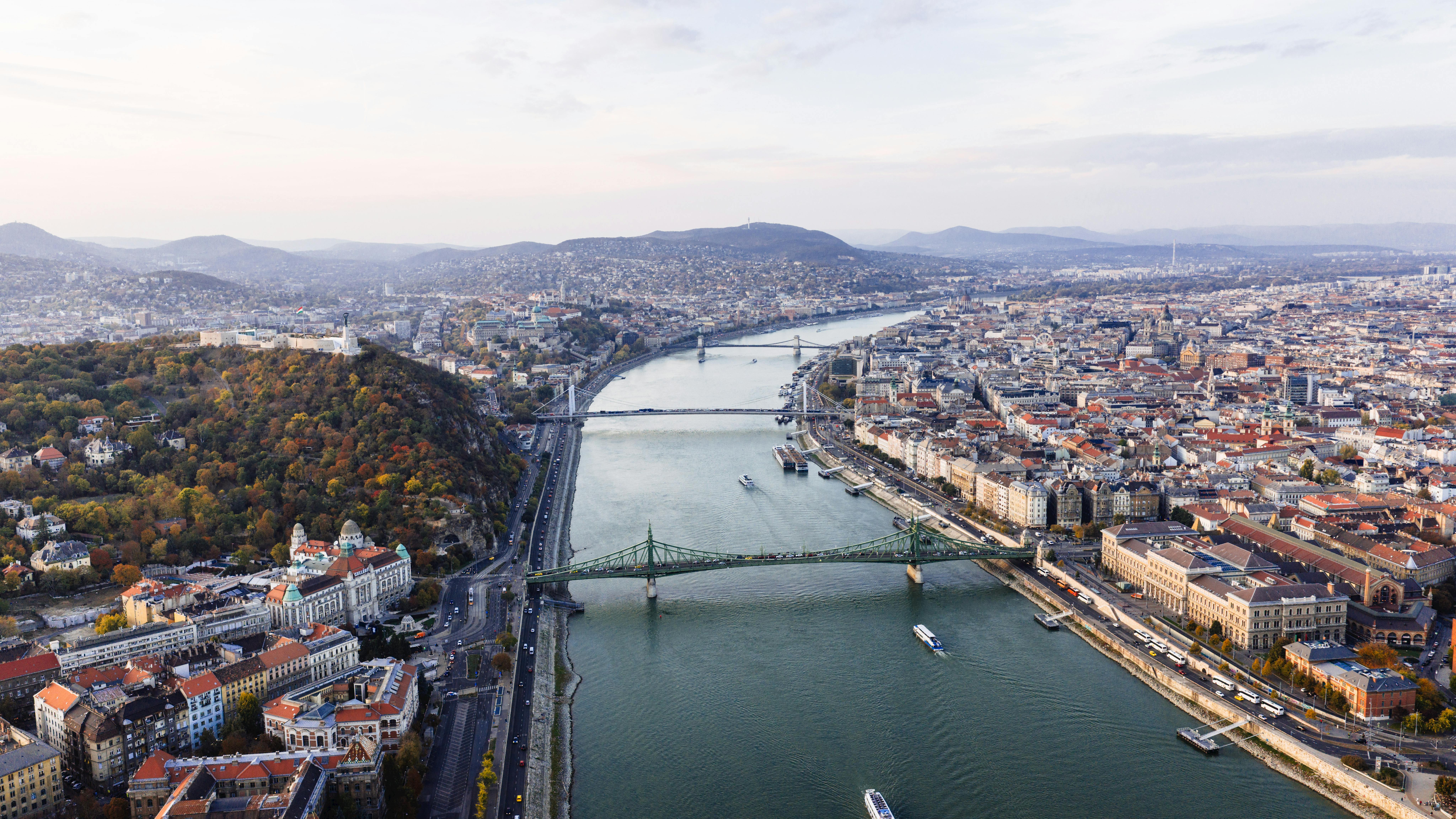
If the weather is bad, instead spend your morning at the Central Market. The Central Market Hall in Budapest, known locally as Nagyvásárcsarnok (Great Market Hall) is a historic and vibrant indoor marketplace located close to the city center on the Pest side. Opened in 1897, the Central Market Hall is Budapest’s largest and oldest indoor market. At the Market, you can find Hungary’s famous paprika, sausages (kolbász, salami), honey, wine, and other local specialties. You can also find traditional Hungarian handmade goods, such as embroidered textiles, ceramics, wooden carvings, and Herend and Zsolnay porcelain.
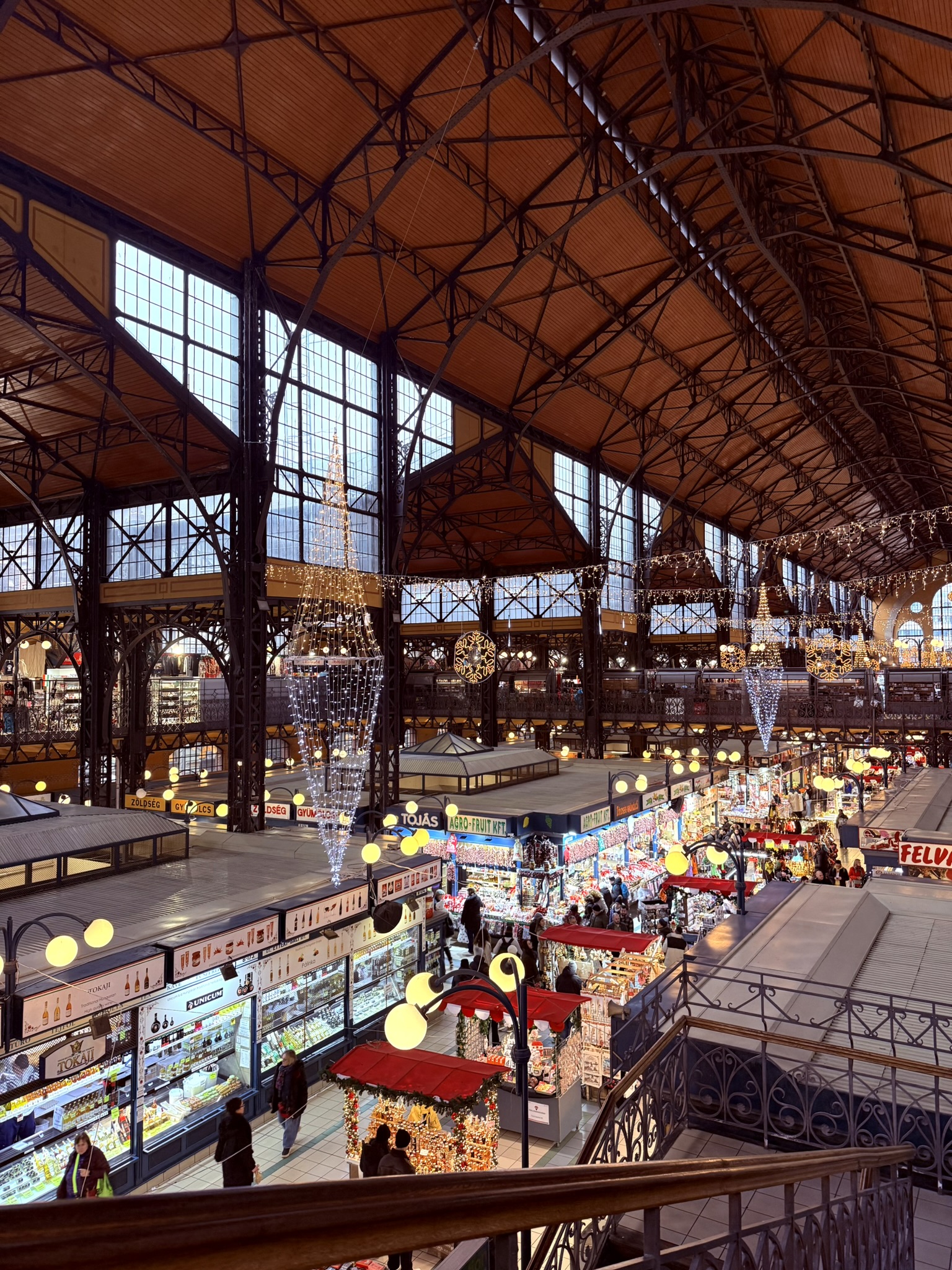
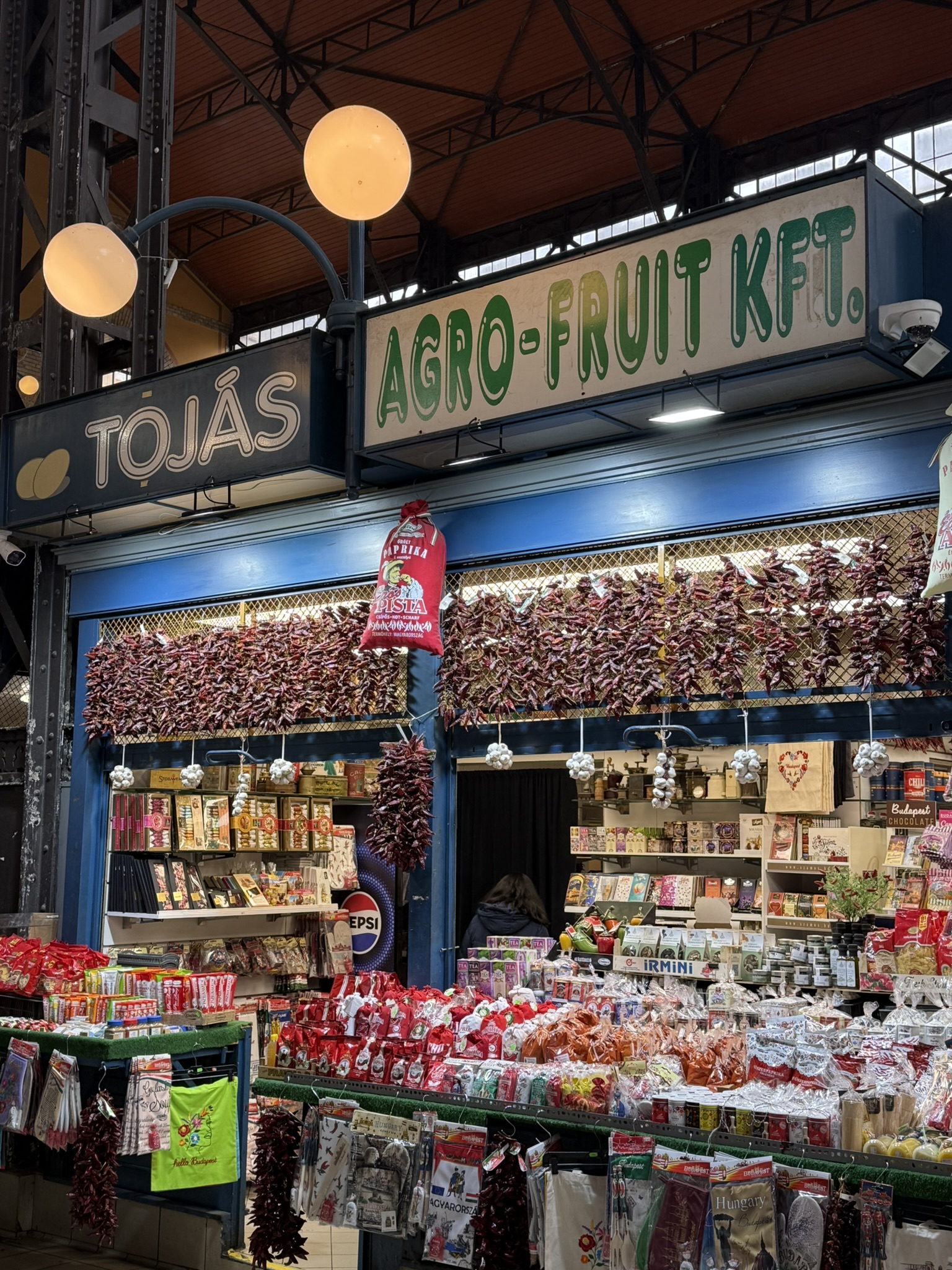
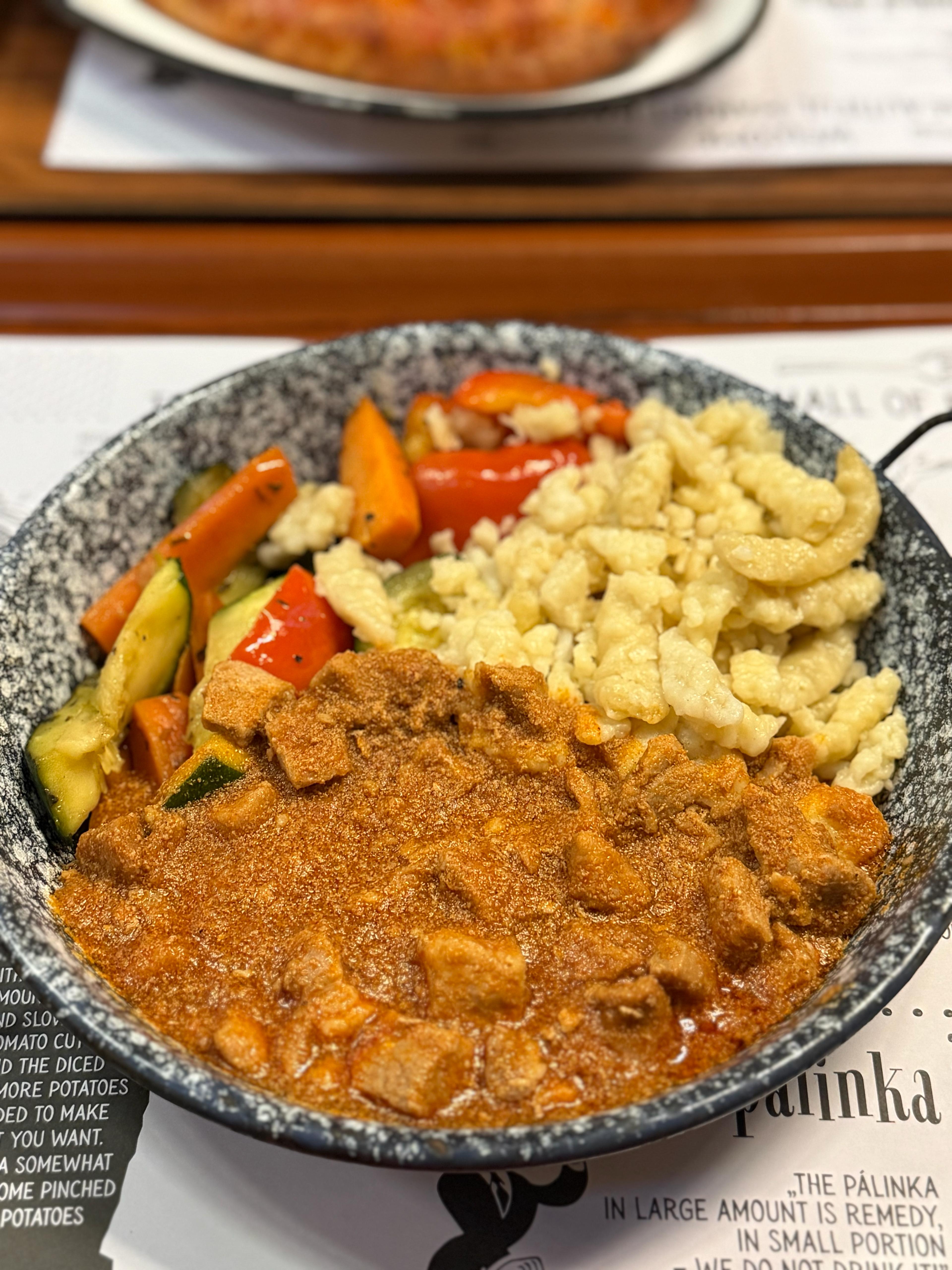
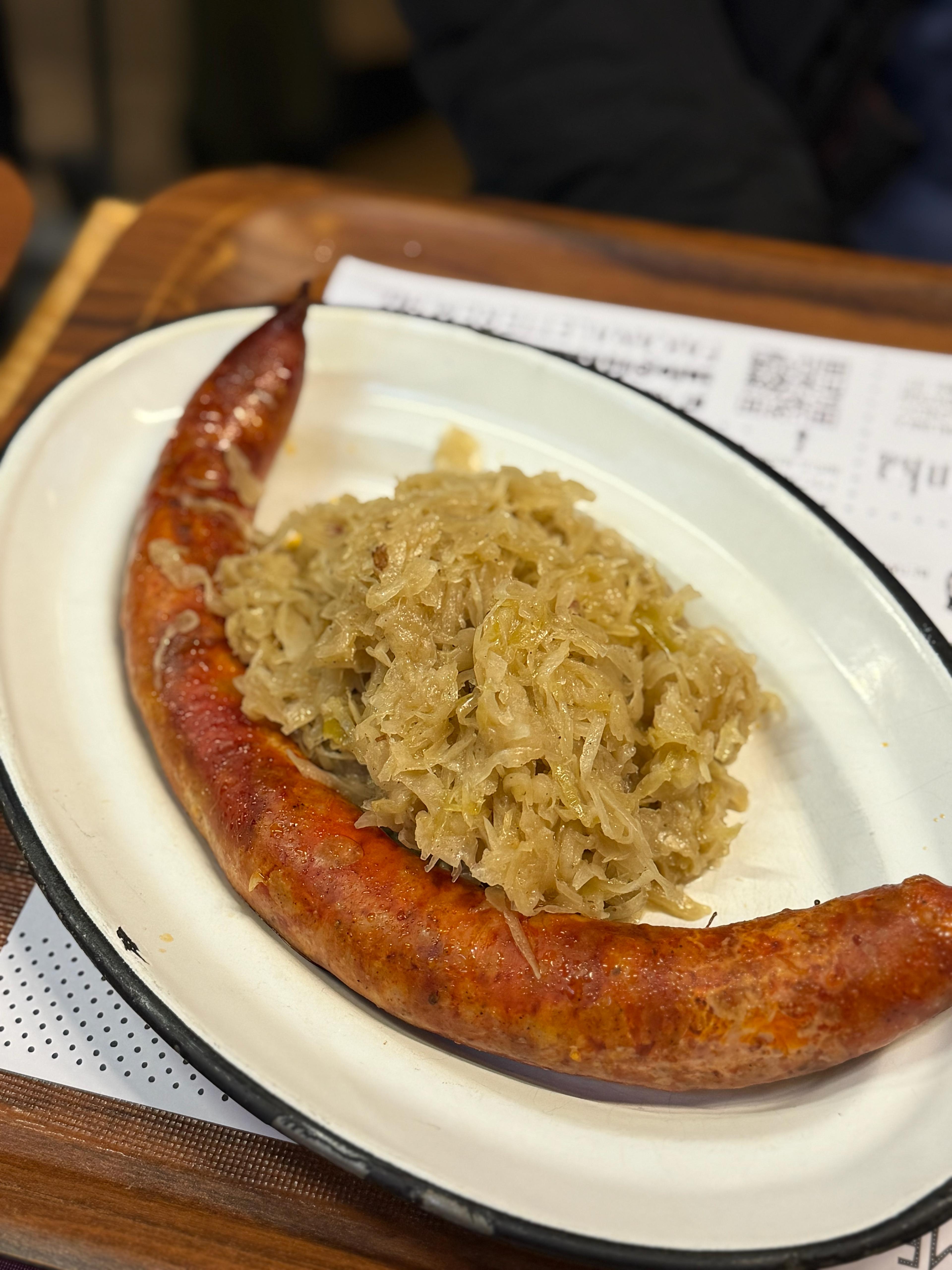
While you’re at the Central Market, have lunch at Fakanál Étterem, a traditional Hungarian restaurant located inside the market. According to their website, it is designed to feel like grandma’s cooking, reflecting authentic Hungarian flavors. We had an amazingly hearty Paprikás Csirke (Chicken Paprikash) with dumplings as well as a Hungarian sausage with sauerkraut. The food here was homey, hearty, and really warmed us up in the cold weather.
After lunch, make your way to the Rudas Baths. When you’re in Budapest, visiting a thermal bath is an absolute must! Rudas Thermal Bath (Rudas Baths) is one of Budapest’s most historic and iconic thermal spas, blending 16th‑century Ottoman‑era architecture with modern wellness facilities. The historic part of the baths was founded in 1571/1572 during the Turkish Ottoman occupation. The centrepiece of the baths is the octagonal Turkish bath under a high domed ceiling, supported by eight pillars. Rudas is unique in Budapest for having both gender‑specific and mixed bathing times. Swimwear is required on mixed/co‑ed days. Make sure you check their calendar before booking if you want to go on a mixed/co-ed day.
After a relaxing soak at the baths, your last dinner in Budapest is going to be a fancy one. We had our last dinner at Salt, one of Budapest’s most acclaimed fine‑dining restaurants, earning both a Michelin star and a Michelin Green Star for its sustainability‑minded gastronomy. Salt is a tasting‑menu restaurant where traditional Hungarian ingredients and the chef’s culinary heritage are reimagined through innovative, seasonal, and sustainable techniques.
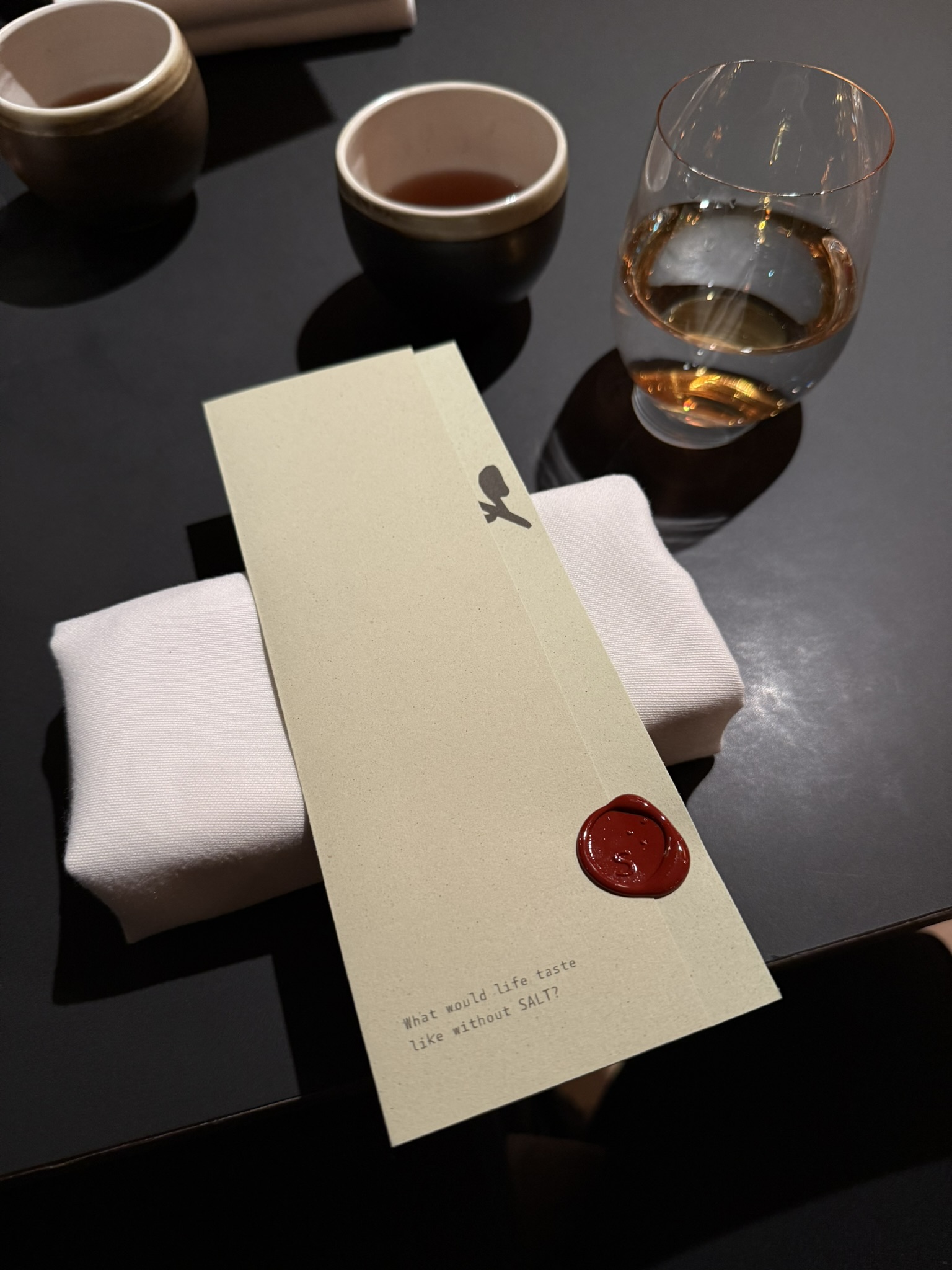
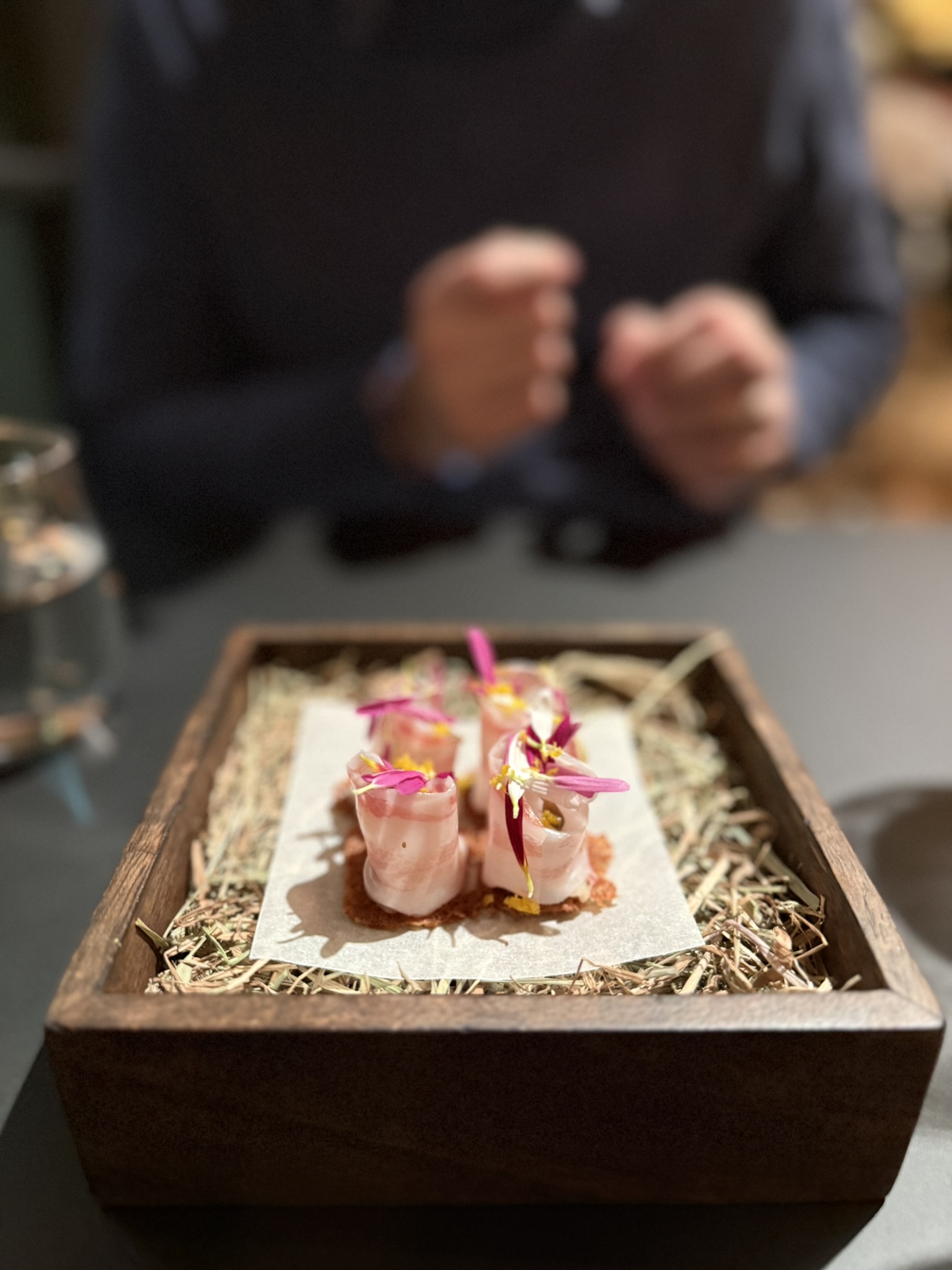
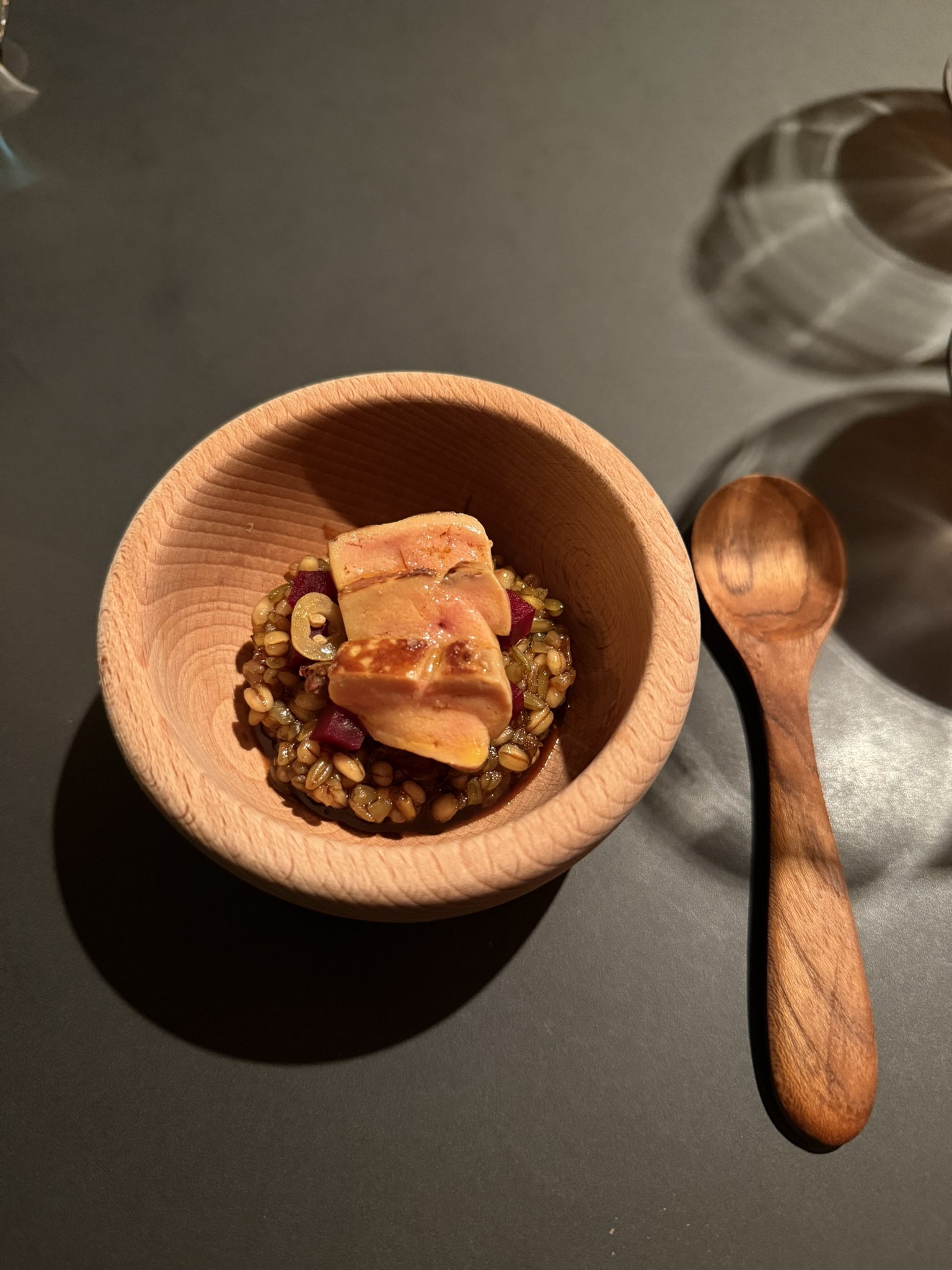
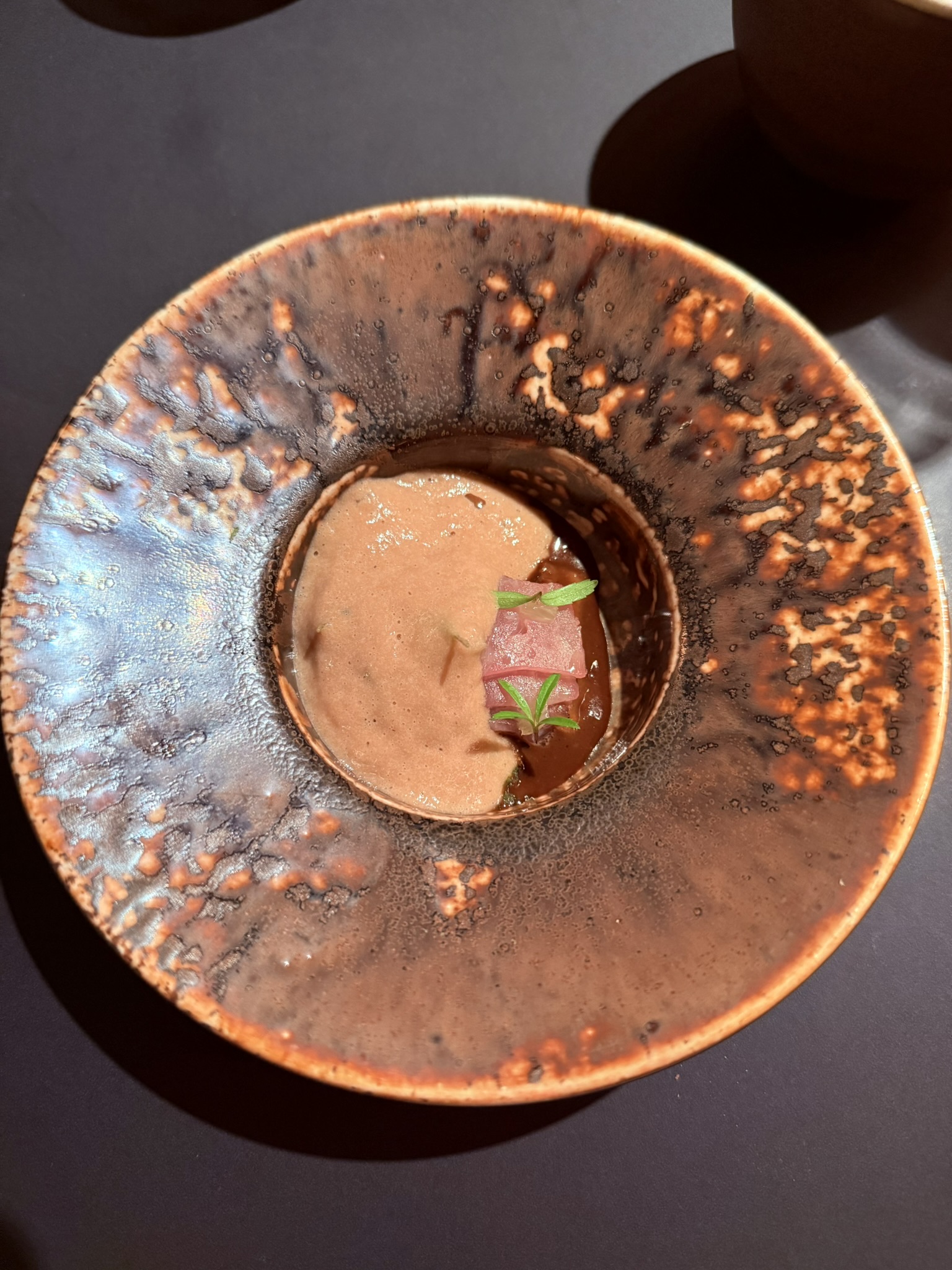
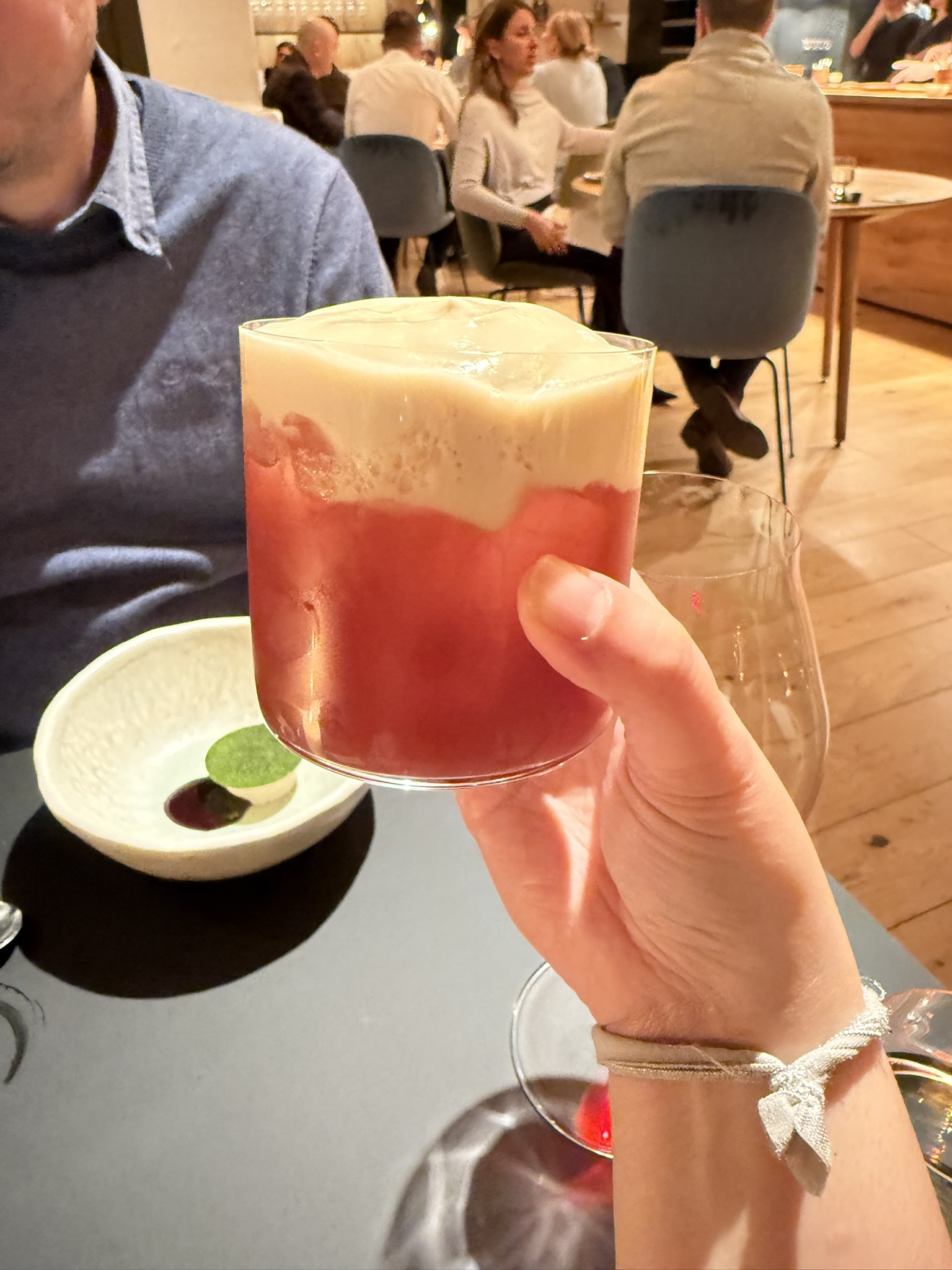
Their menu is a fourteen-course tasting menu for 74.500 HUF per person. Some of our favorites dishes included a decadent rabbit liver mousse on miso cracker, aged pork belly, braised rabbit liver with three-grains soaked in jus, and a river trout with sashimi dish. Almost every dish was inspired by one of the chef’s childhood or heritage and I loved that the dishes were occasionally presented by the various chefs in the kitchen. It felt very intimate and it was nice to learn about their inspirations.
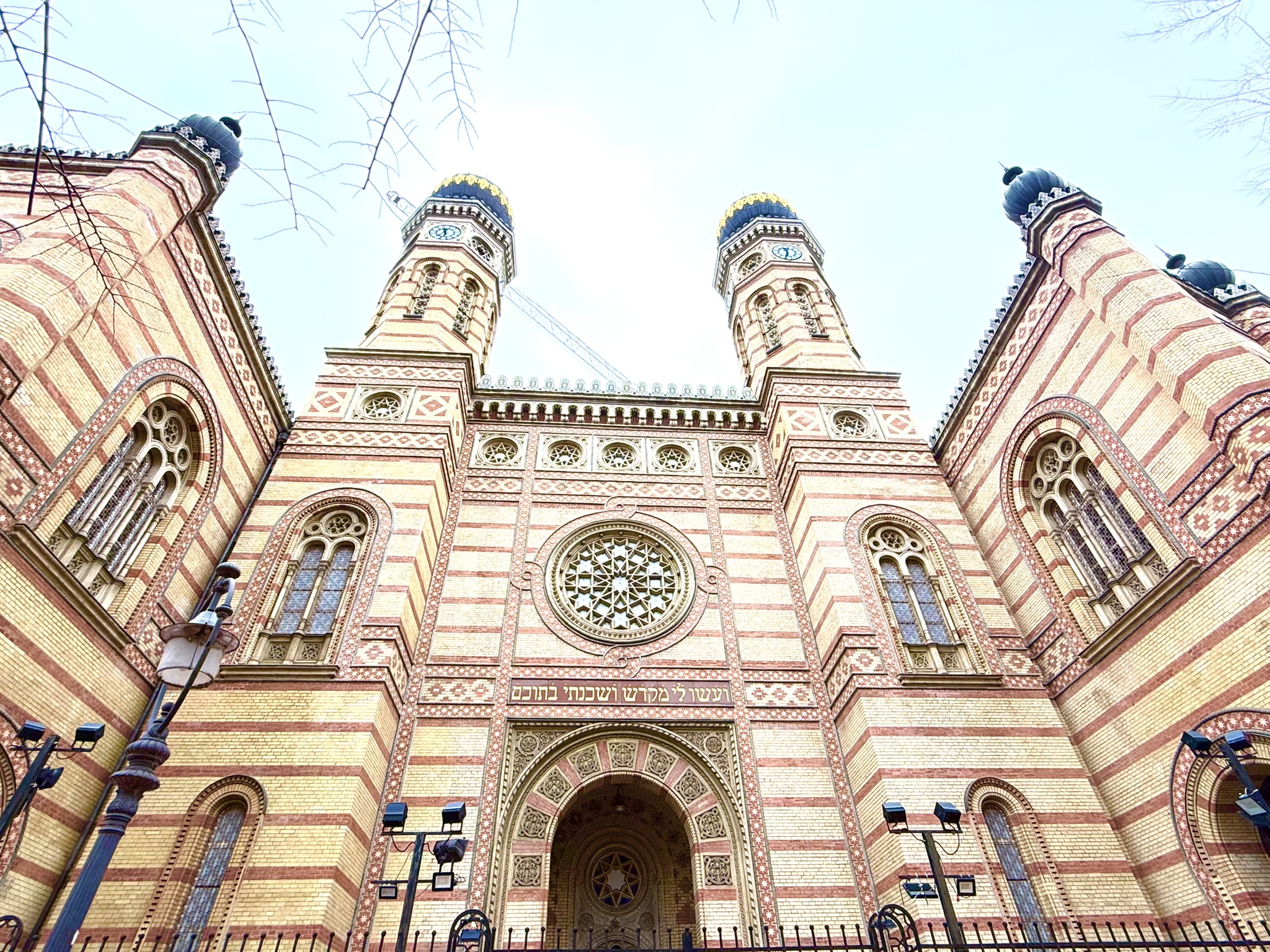
If you have a bit more time than we did, I highly recommend spending time in the Old Jewish Quarter and seeing all the synagogues that are there. There are several really beautiful ones within a few blocks of each other and are definitely worth the visit.